
Two Military Airtankers Mobilized to Klamath Falls for Western Wildfires
MAFFS-equipped C-130 aircraft can each release up to 3,000 gallons of fire retardant in less than 10 seconds.

Fast Facts
Aircraft: Two MAFFS-equipped C-130 Hercules airtankers
Availability: Beginning July 15, 2026
Station: Klamath Falls Airtanker Base
Military unit: 302nd Airlift Wing, Peterson Space Force Base, Colorado
Aircraft details: Up to 3,000 gallons of retardant in less than 10 seconds across a quarter-mile line
Base operator: U.S. Forest Service, Fremont-Winema National Forest
Base capabilities: Supports large airtankers and military MAFFS operations
KLAMATH FALLS, Ore. — Two military C-130 Hercules airtankers have been mobilized to Klamath Falls, placing additional aerial firefighting power in Southern Oregon as dozens of large wildfires continue burning across the West.
The aircraft are equipped with Modular Airborne Fire Fighting Systems, commonly known as MAFFS, and are available beginning Wednesday from the Klamath Falls Airtanker Base. Support personnel have also been deployed to operate and maintain the aircraft.
A MAFFS-equipped C-130 Hercules flies overhead. Four military airtankers are now mobilized to provide additional support for wildfire operations across the West. Photo courtesy of the National Interagency Fire Center.
Wednesday’s National Interagency Fire Center situation report identified the Klamath Falls aircraft and support personnel as coming from the Air Force Reserve Command’s 302nd Airlift Wing at Peterson Space Force Base in Colorado.
The aircraft are positioned to support wildfire operations nationally and have not been assigned specifically to the East Evans Creek Fire or another individual incident in Southern Oregon.


MAFFS aircraft provide what fire officials describe as surge capacity when commercial airtankers in the national fleet are fully committed or are not readily available. The latest deployment brings the number of mobilized MAFFS aircraft to four.
Two other military airtankers began operating last week from the San Bernardino and Santa Maria airtanker bases in Southern California. Those aircraft have supported the Summit Fire and other incidents.
The MAFFS equipment consists of a pressurized retardant tank system that slides into the cargo hold of a military C-130. Retardant is released through a nozzle on the rear-left side of the aircraft.
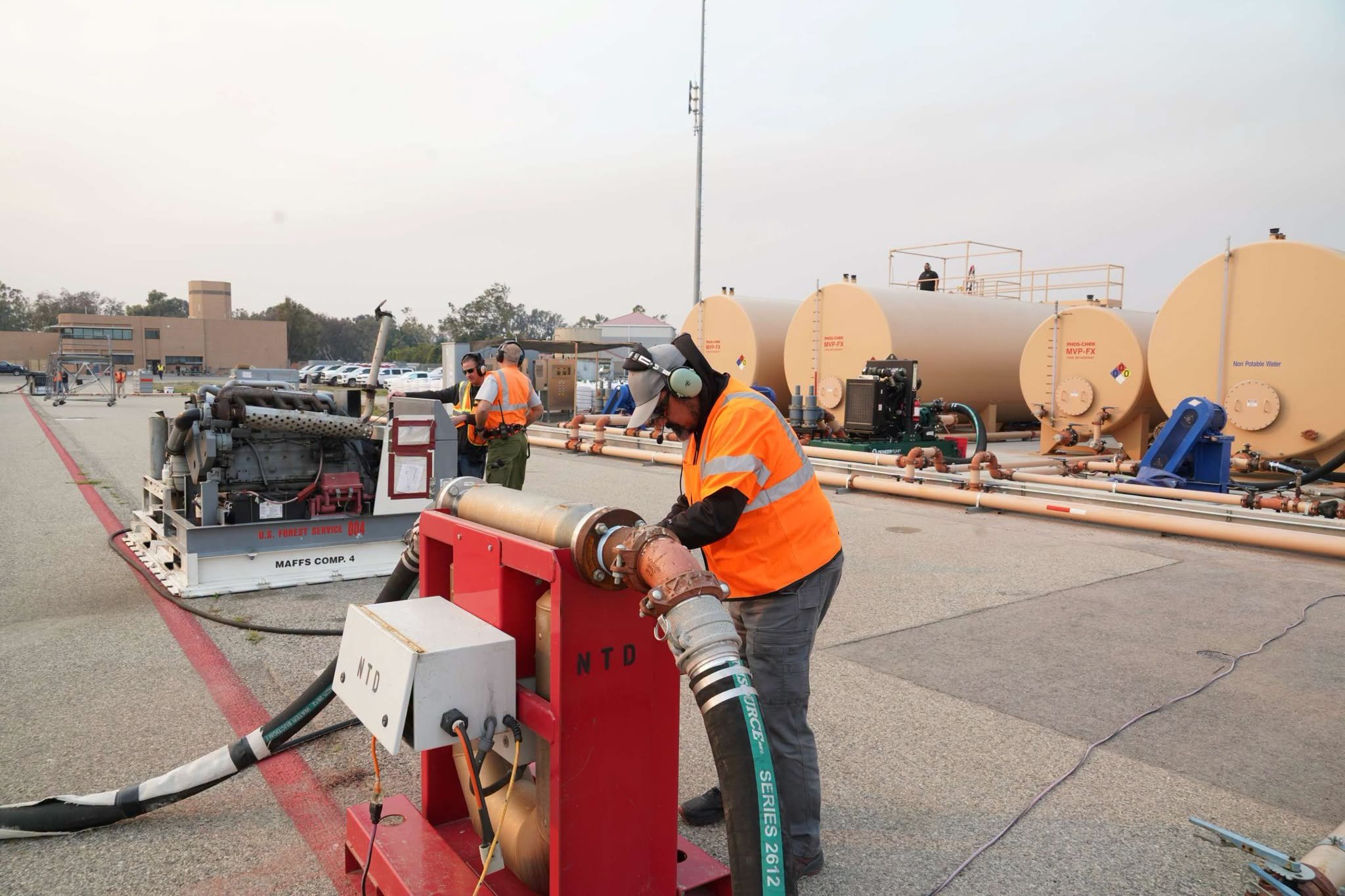
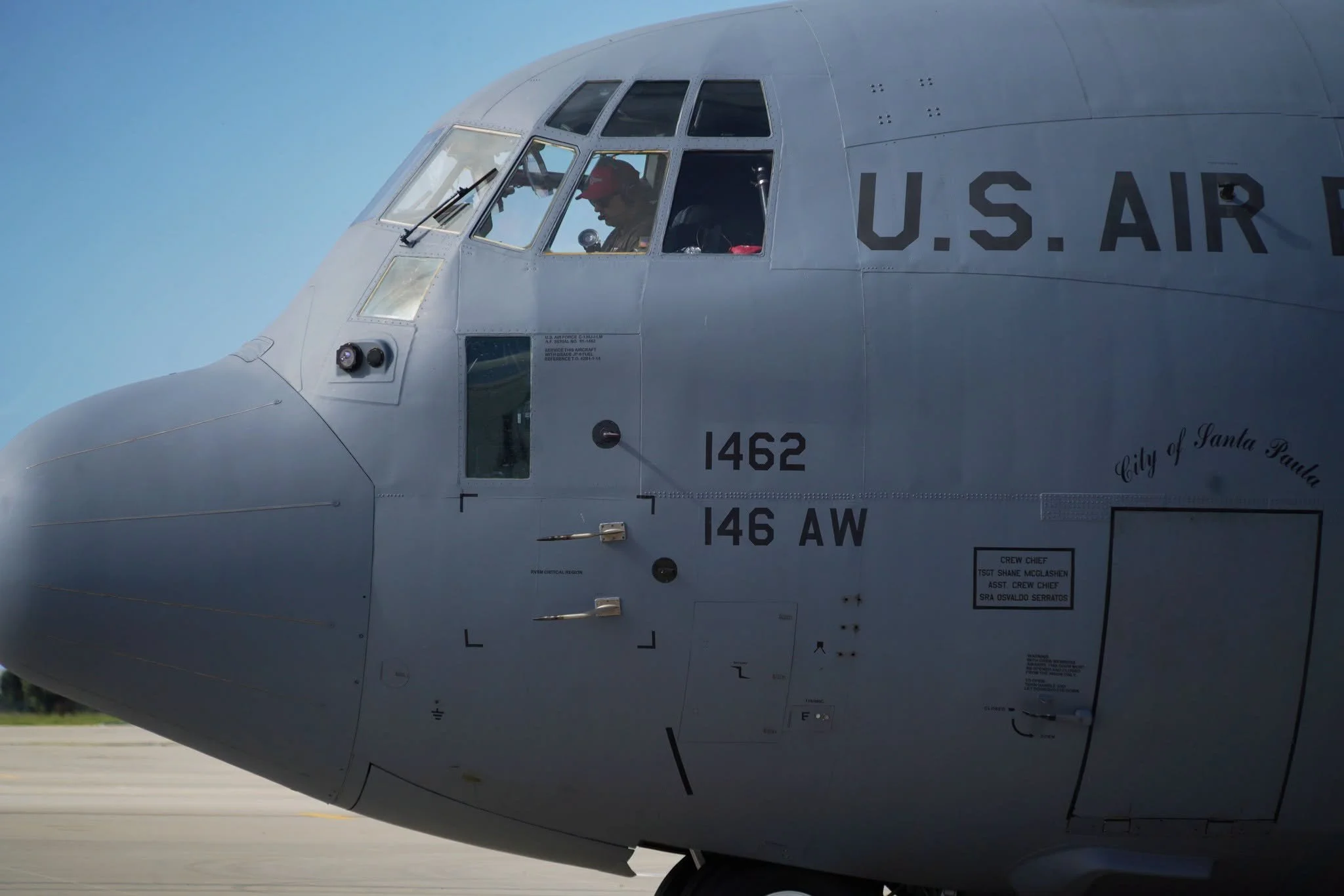
Each equipped C-130 can carry and release up to 3,000 gallons of fire retardant in less than 10 seconds, creating a line approximately one-quarter mile long. The retardant is used to slow a fire’s spread and help ground crews establish or strengthen containment lines.
Eight C-130 aircraft participate in the national MAFFS program. Aircraft and personnel are supplied by the 302nd Airlift Wing, California Air National Guard’s 146th Airlift Wing, Nevada Air National Guard’s 152nd Airlift Wing and Wyoming Air National Guard’s 153rd Airlift Wing.

The four units operate under the coordination of the MAFFS Air Expeditionary Group, which supports and oversees aerial firefighting operations involving the military aircraft.
The mobilization comes as the nation remains at Preparedness Level 4, indicating a high level of wildfire activity and competition for firefighting resources. Wednesday morning’s national report listed 48 uncontained large fires and 16 complex incident management teams committed across the country.
Klamath Falls has previously served as a base for MAFFS operations. Two military airtankers deployed there in 2023 flew 287 sorties and dropped more than 610,000 gallons of retardant before completing their assignment.
Cover image: A military C-130 Hercules equipped with a Modular Airborne Fire Fighting System releases fire retardant during an aerial firefighting operation. Two MAFFS-equipped aircraft were mobilized to the Klamath Falls Airtanker Base on Wednesday. Photo courtesy of the National Interagency Fire Center.


More Firewatch
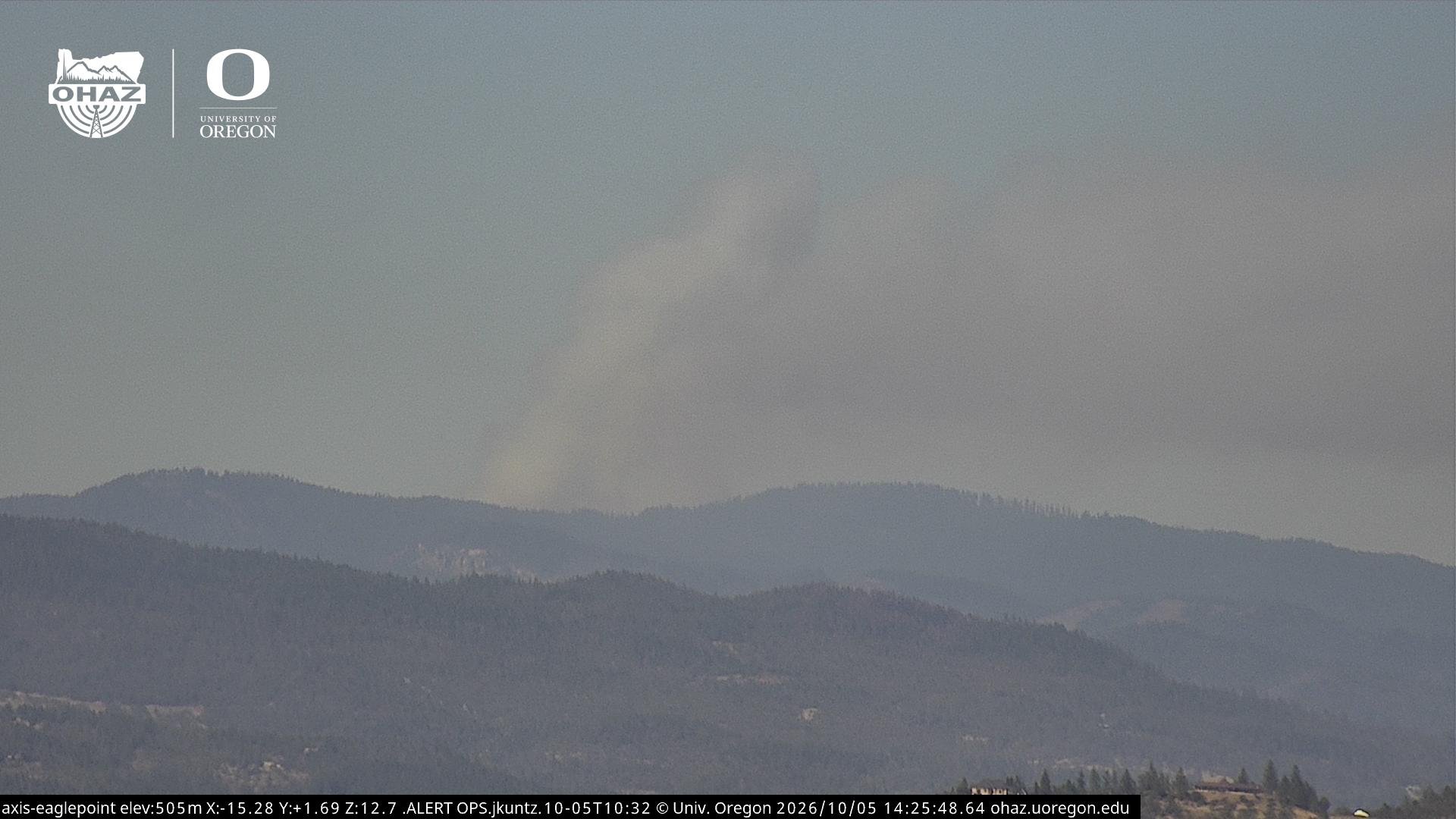
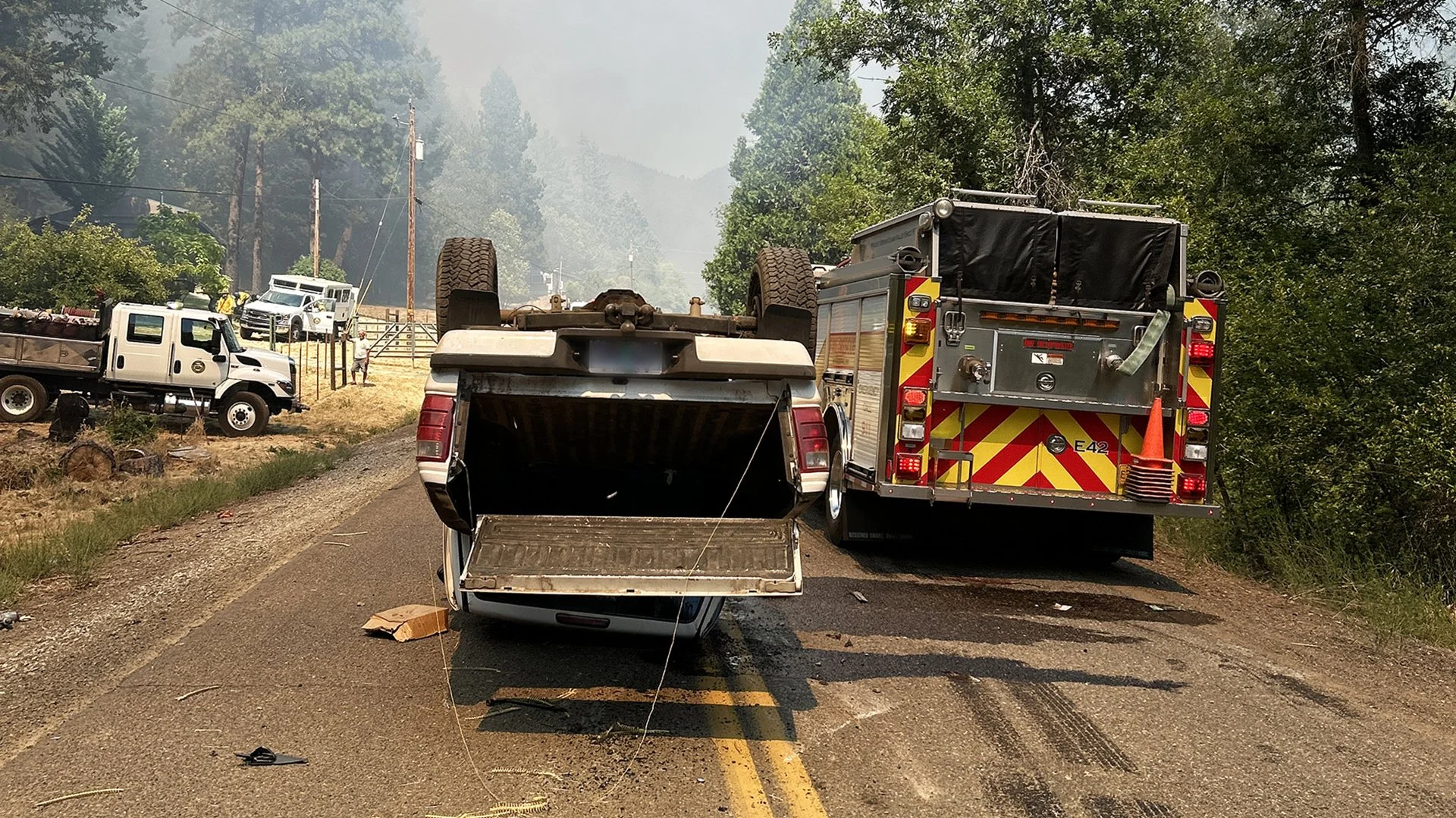

ODF Southwest Oregon’s 4 Alpha Fox helicopter has completed its 75-day seasonal contract after introducing approved night-vision wildfire flights this year. One recent after-dark mission located three lightning-caused fires.