Jefferson Agriculture
Regional agriculture. Local livelihoods.
Southern Oregon & Northern California Agriculture News
Jefferson Agriculture covers the farms, ranches and rural communities that help shape Southern Oregon and Northern California. Find regional reporting on crops, livestock, irrigation, water resources, agricultural policy, markets, wildfire impacts and the people working the land.
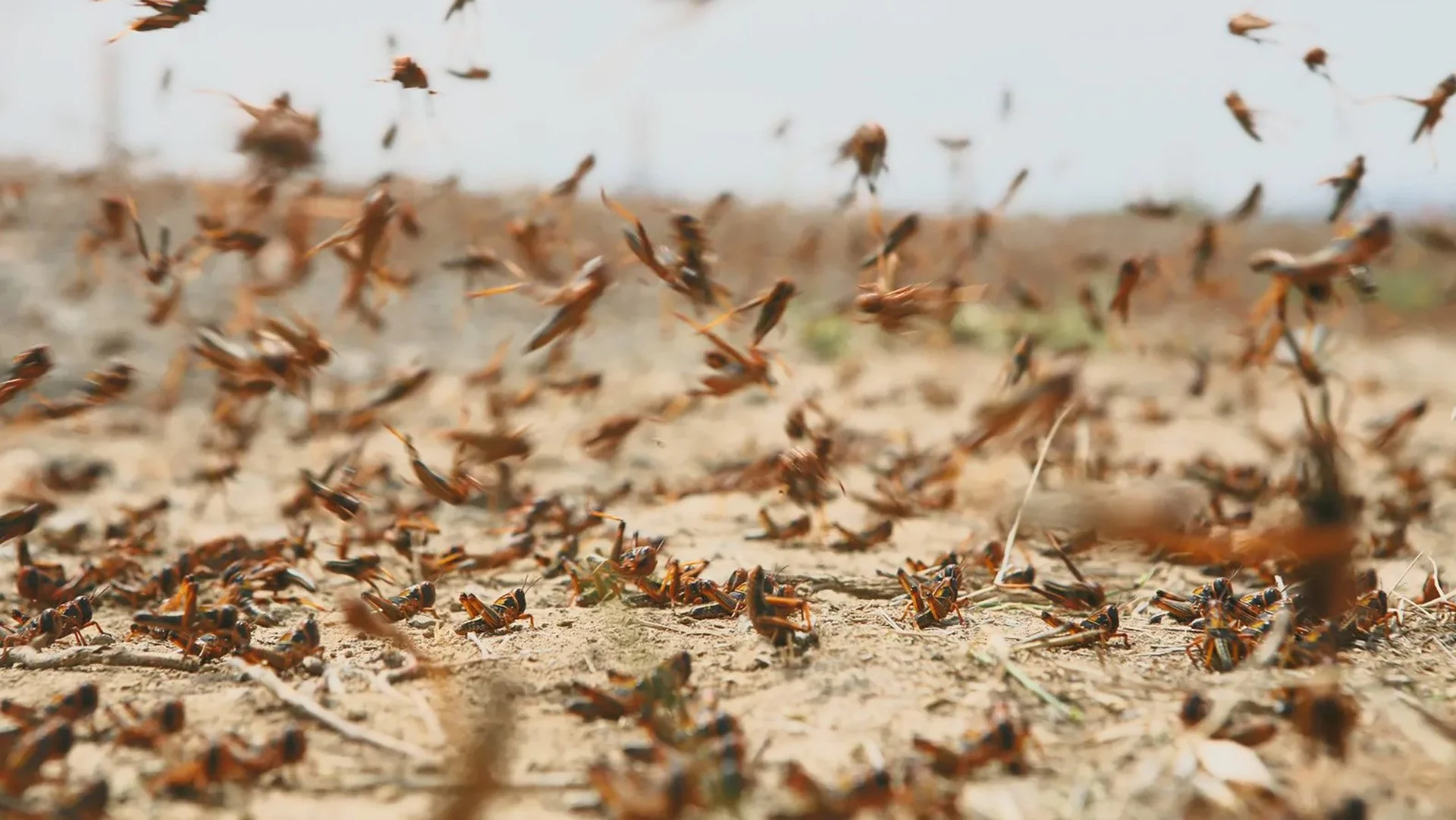
Grasshoppers and Mormon crickets are active again across the Klamath Basin, raising concern for producers already seeing hatches, crop-edge pressure and repeated treatments near the Oregon-California state line.
The Klamath Water Users Association says it is disappointed after a Ninth Circuit decision affirmed that the Bureau of Reclamation has authority to operate the Klamath Project in compliance with the Endangered Species Act. KWUA says it is reviewing the ruling and evaluating possible next steps.
Klamath Project irrigators have an upcoming opportunity to learn more about 2026 drought relief programs during a Friday workshop at the Klamath Water Users Association office in Klamath Falls. Applications for the programs are due by 5 p.m. June 15.
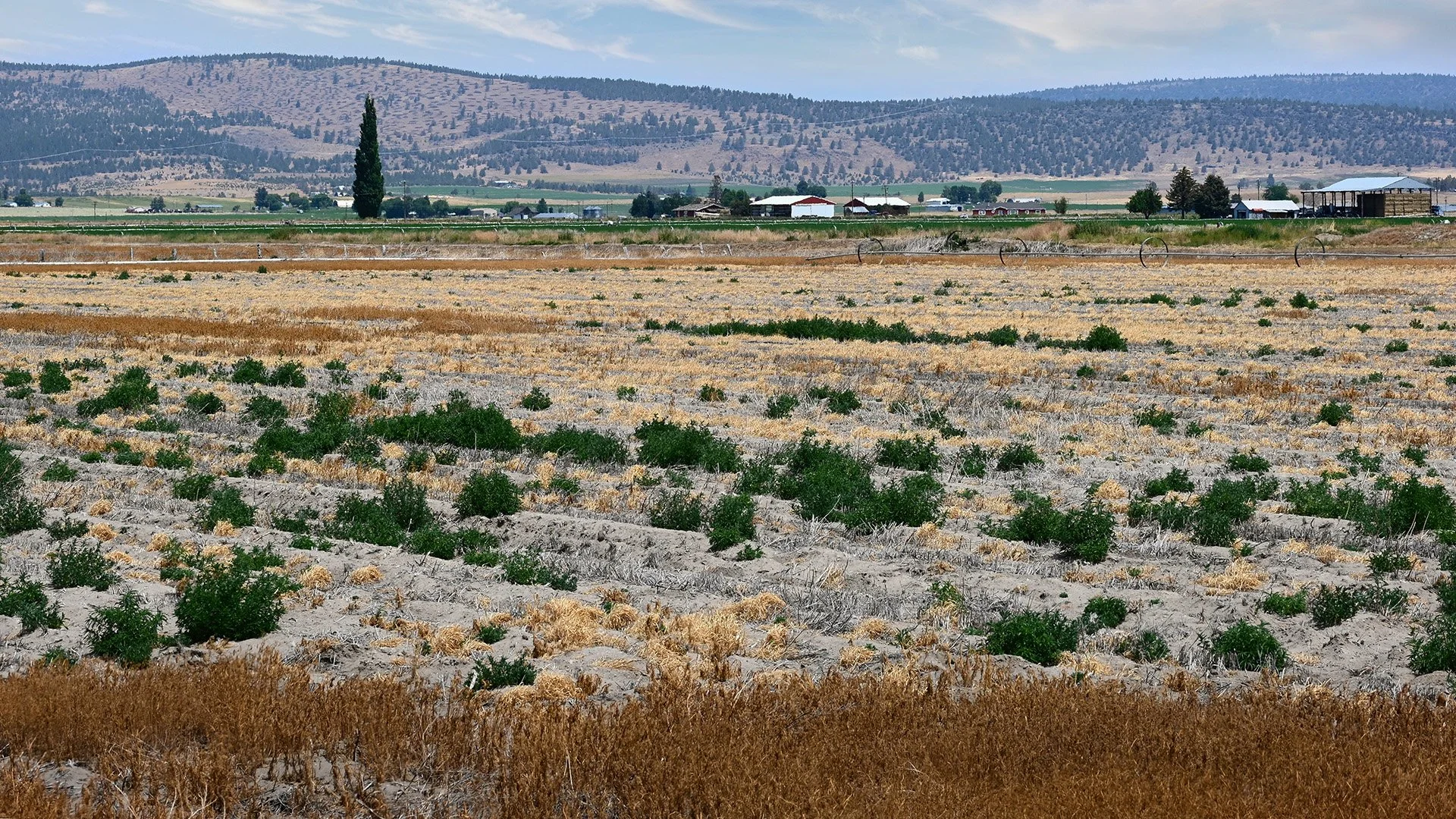
Klamath County is now under a state drought emergency after Governor Tina Kotek declared emergency status for Klamath, Coos, and Wheeler counties. State officials say 70% of Klamath County is in moderate to severe drought, while the Klamath Basin’s snow water equivalent was reported at just 4% of normal in late April.
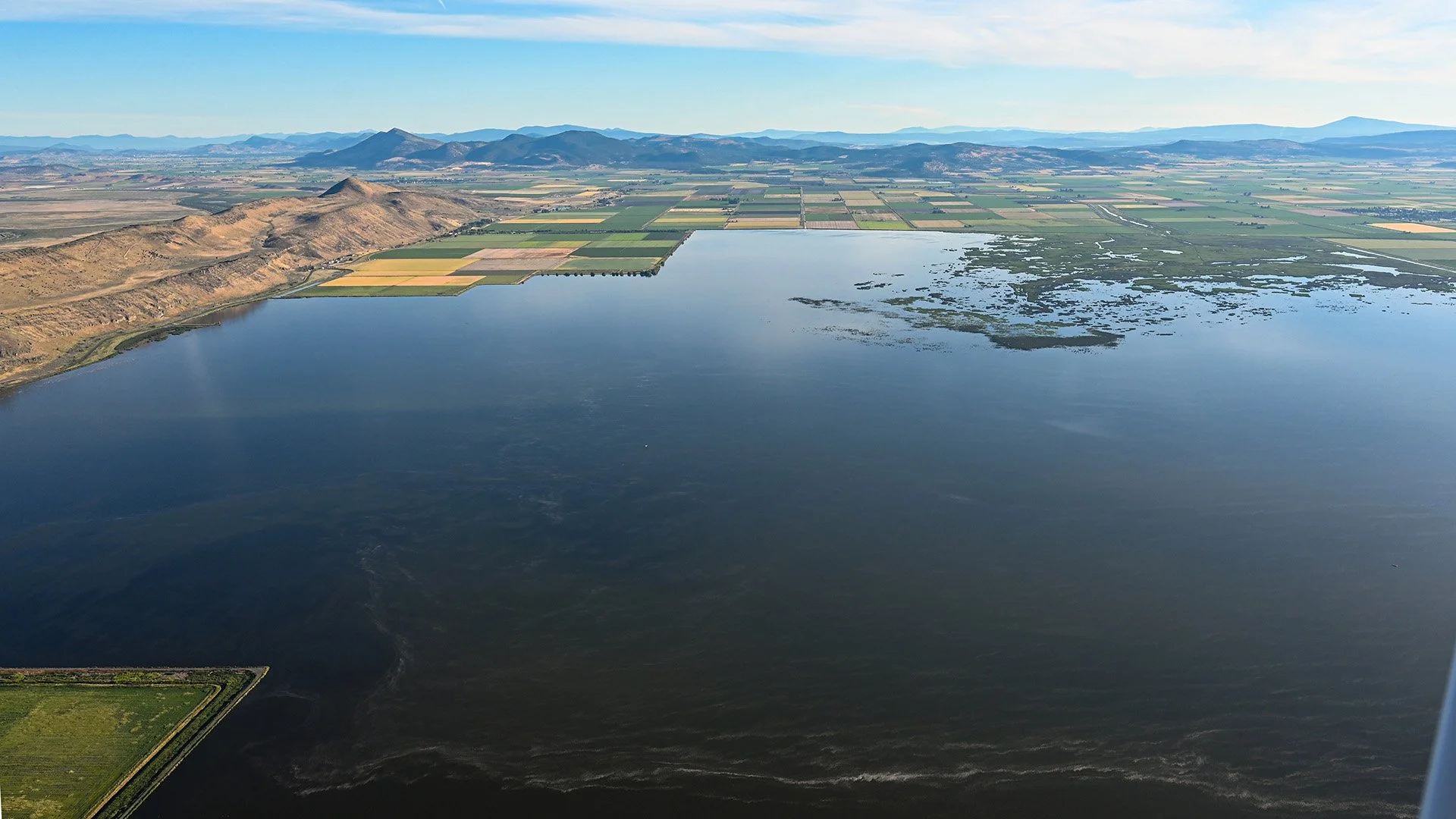
The Klamath Water Bank has opened its 2026 drought response program with up to $19.1 million available for irrigators as water shortages are expected to idle tens of thousands of acres this season.
A new federal bill introduced by Congressman Cliff Bentz aims to give local water users a stronger voice in decisions that impact water access across the West. The legislation focuses on increasing transparency and participation during Endangered Species Act consultations that often influence agricultural and community water supplies.
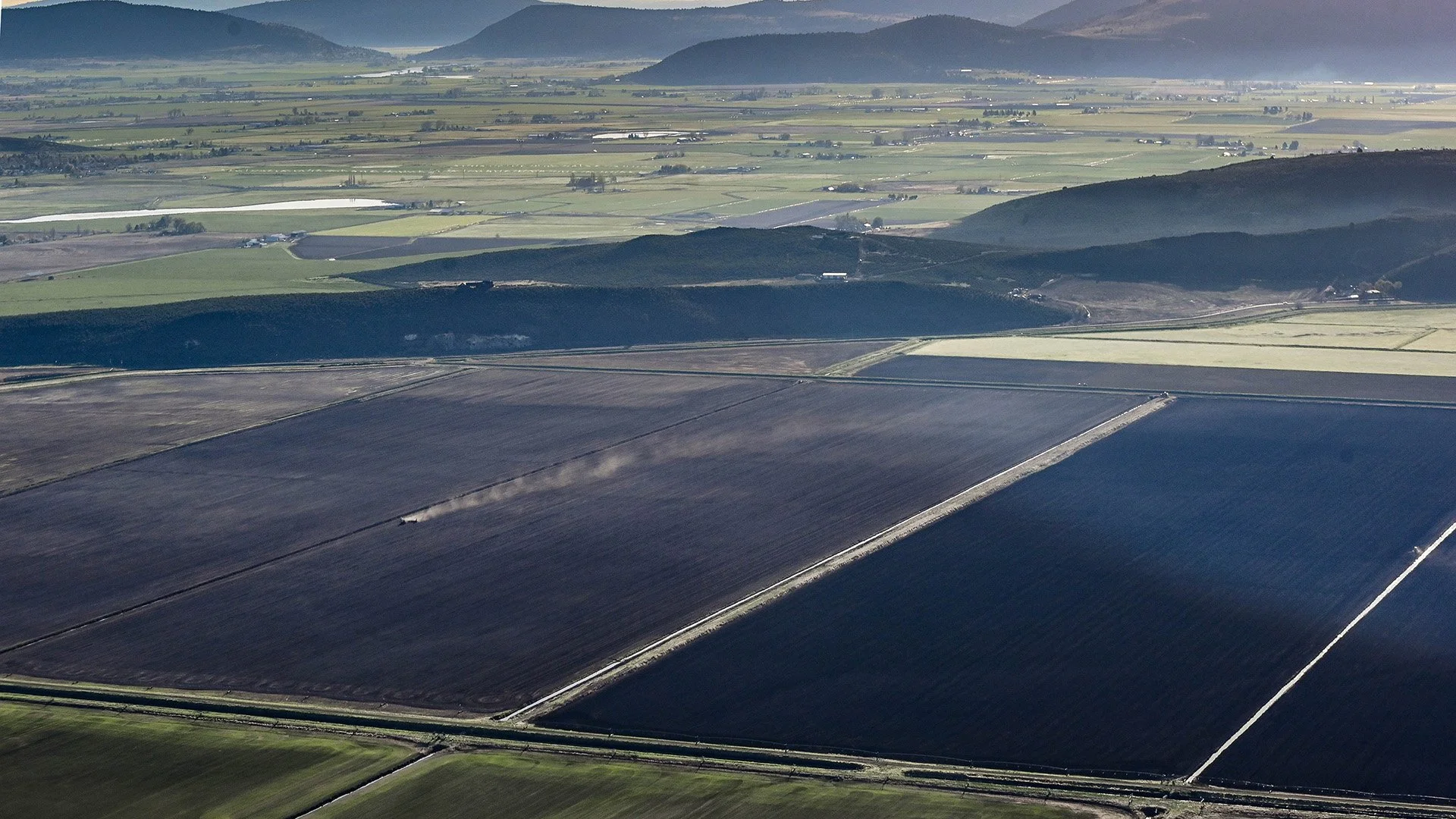
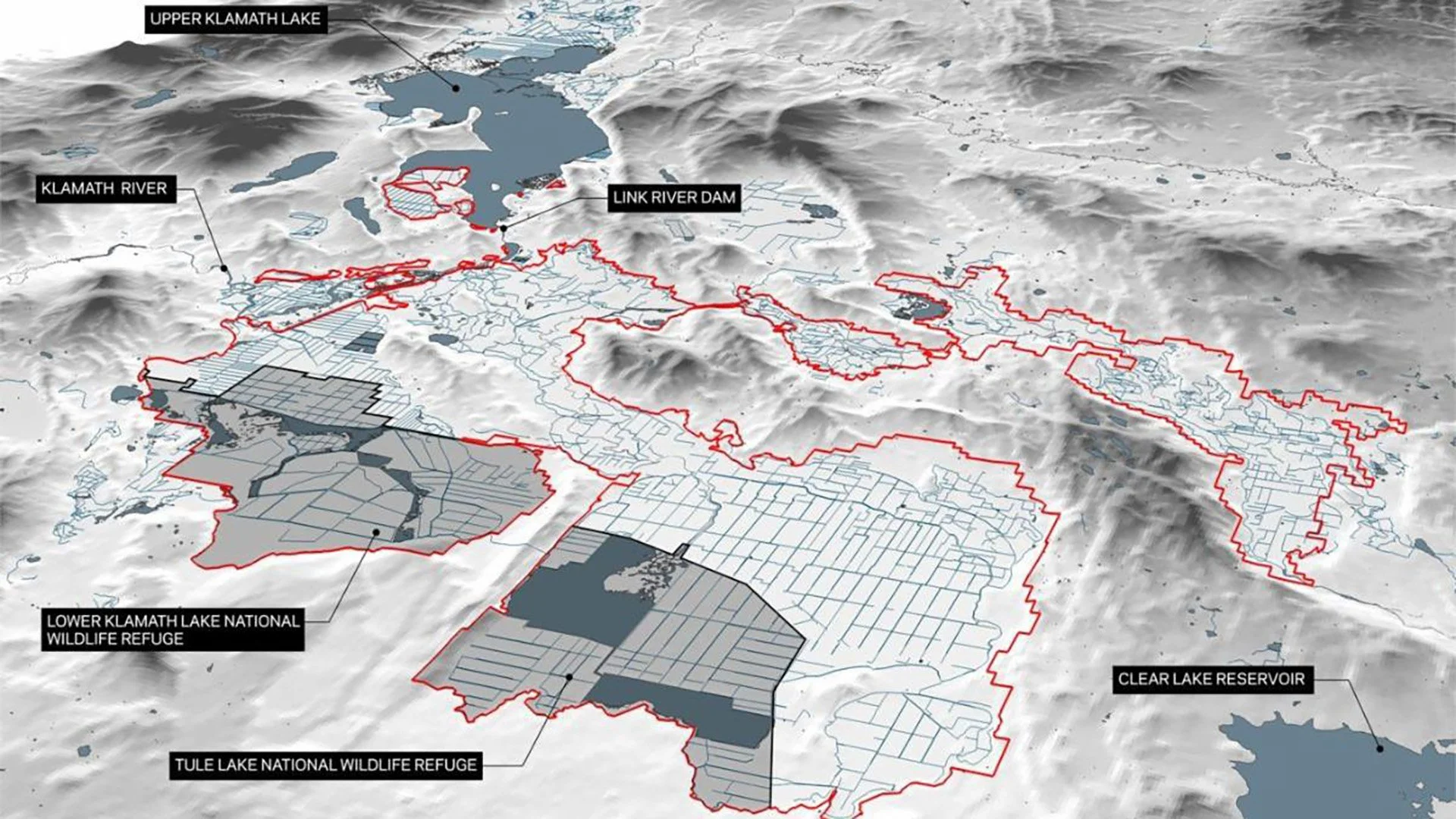
The initial irrigation water allocation for the Klamath Project in 2026 is expected to fall significantly short of agricultural needs, according to the Klamath Water Users Association. The Bureau of Reclamation announced 221,000 acre-feet from Upper Klamath Lake, just over half of what is typically required. Officials say drought conditions, minimal snowpack, and regulatory constraints are contributing factors, and more than 40,000 acres may need to be idled this season.
The Klamath Water Users Association is warning of reduced irrigation water deliveries for the 2026 season due to extremely low snowpack. Officials say up to 40,000 acres may need to remain unirrigated to preserve water later in the year. A community meeting is planned to discuss conditions and next steps.
The Klamath Irrigation District is seeking public input on a proposed infrastructure modernization project aimed at improving water delivery efficiency and strengthening drought resilience across the basin. An in-person public meeting is scheduled for April 9 in Merrill, where community members can learn about the proposal, ask questions, and provide feedback on the draft plan.
KWUA says the 2026 Klamath Project Annual Operations Plan sets water management parameters but stops short of confirming irrigation allocations, which are expected by April 1.
The Klamath Water Users Association announced that the Bureau of Reclamation has completed a reassessment of how the Endangered Species Act is applied to the Klamath Project, a move described as a key step toward improving long-term water supply predictability in the Basin.
The Oregon Department of Agriculture has released a detailed FAQ explaining the temporary emergency rules aimed at reducing the risk of Equine Herpesvirus (EHV) at equine events. The guidance clarifies registration requirements, isolation expectations, veterinarian availability, recordkeeping, and misinformation circulating within the equine community.
Oregon has enacted emergency rules to prevent the spread of Equine Herpes Virus following outbreaks linked to events in Texas and Oklahoma. In response, the Klamath County Fairgrounds has issued a full suspension of all equine use while awaiting further guidance from state officials.
The DeHoop family’s journey from Dutch immigrants to Klamath Basin agricultural leaders spans generations, shaping both the region’s dairy industry and its economic resilience. Their story reflects the promise of the American Dream and the challenges facing modern agriculture in the Basin.