

Wildfire Prevention
Help reduce human-caused wildfires
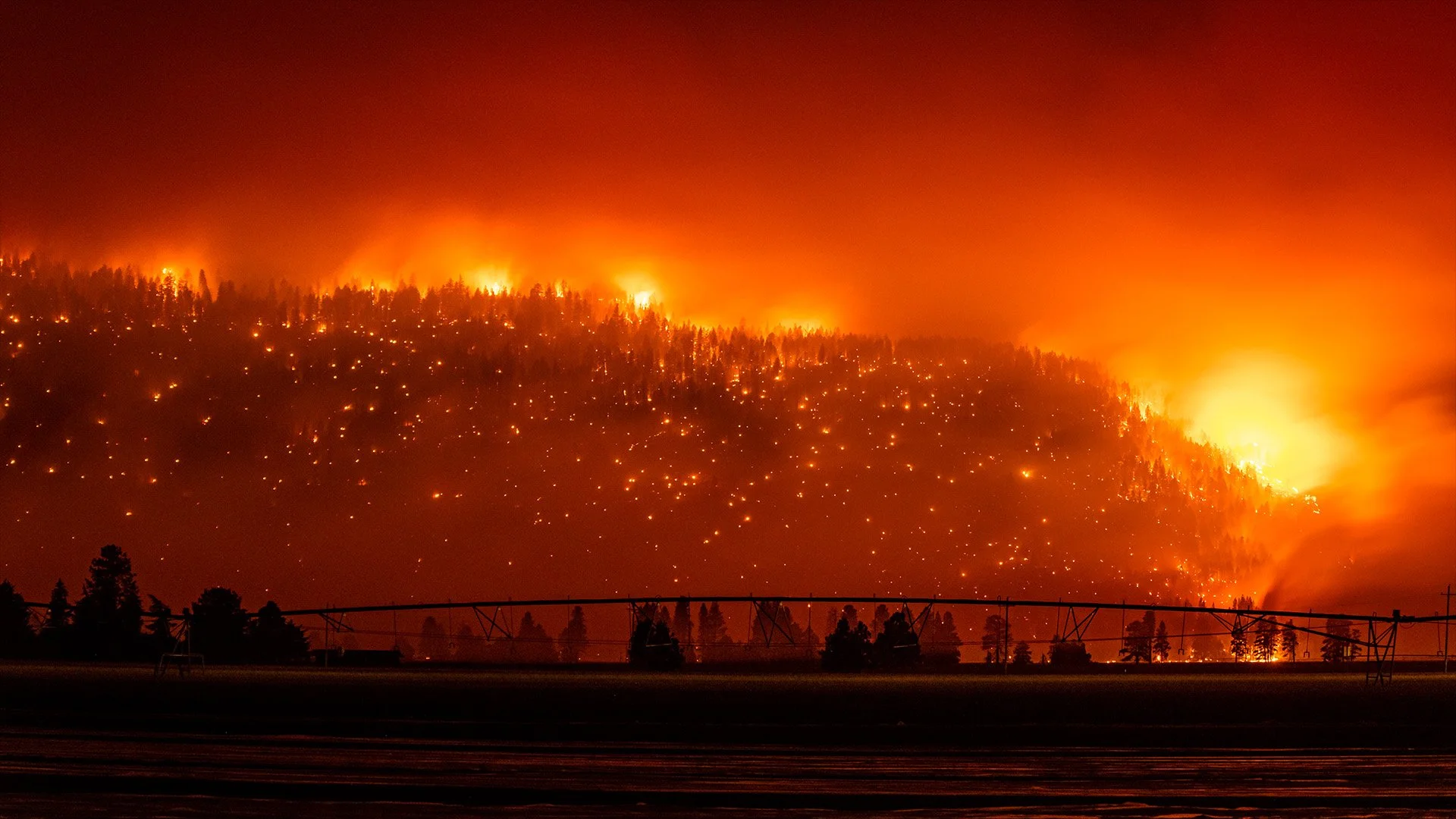
Lightning-caused wildfires are part of fire season, but many wildfires are started by people and are preventable.
Human-caused fires can threaten homes, communities, forests, grasslands, firefighters, and emergency responders. They also pull limited firefighting resources away from other active incidents across the region.
A few simple choices can help reduce wildfire risk in Southern Oregon and Northern California.
How You Can Help Prevent Wildfires
Check local fire restrictions before you go.
Fire rules can change quickly during hot, dry, or windy conditions. Check with your local fire agency, county, Oregon Department of Forestry, CAL FIRE, U.S. Forest Service, or Bureau of Land Management before burning, camping, cutting wood, or using outdoor equipment.
Do not use fireworks or exploding targets on public lands.
Fireworks, exploding targets, and other explosive materials can quickly start fires and are prohibited on many public lands.
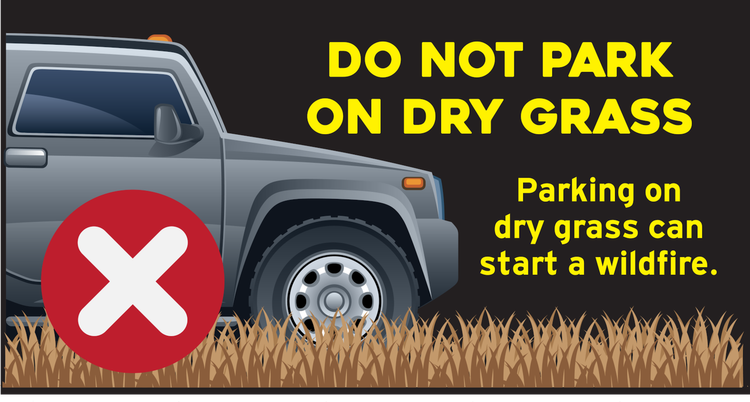
Do not park on dry grass.
Hot exhaust systems can ignite dry vegetation. Park only in designated areas or places clear of dry grass, weeds, and other flammable material.
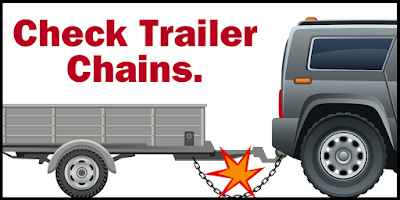
Check trailer chains before towing.
Dragging chains can throw sparks and start fires along roadsides. Make sure chains are secure and not touching the pavement.
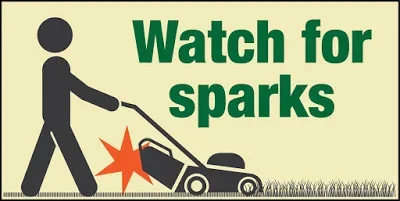
Use caution with power equipment.
Mowers, chainsaws, grinders, weed trimmers, and other equipment can spark fires. Follow local restrictions, avoid high-risk times of day, and keep water or a fire extinguisher nearby when appropriate.
Fully extinguish campfires.
If campfires are allowed, keep them small, attended, and completely out before leaving. Drown, stir, and feel for heat. If it is too hot to touch, it is too hot to leave.
Create defensible space.
Clear dry leaves, needles, brush, and other flammable materials around your home, outbuildings, driveway, and propane tanks. Defensible space helps protect your property and gives firefighters a safer place to work.
Report a Fire
If you see smoke, flames, or a possible wildfire, call 911 immediately.
Be prepared to tell the dispatcher:
Where the fire is located
What you see
How large the fire appears
Whether structures, vehicles, people, or animals are nearby
Your name and contact information
Do not hang up until the dispatcher tells you to do so.
Before You Head Outdoors
Before camping, traveling, working, or recreating during fire season, check current fire restrictions, weather conditions, road closures, and local alerts.
Preventing wildfire starts with all of us. One spark can change a community.
Emergency Information: Jefferson Firewatch provides news and incident information. Always follow evacuation orders and emergency instructions issued by public safety officials.