Florida climber survives two freezing nights on Whitney Glacier before a three-day rescue ends in a helicopter airlift.
AT A GLANCE
Location: Whitney Glacier, Mount Shasta
Climber: 39-year-old man from Florida
Incident: Fell through a snow bridge into a crevasse after following an incorrect GPS descent route
Injuries: Serious leg injury, frostbite, and signs of hypothermia
Rescue: October 18–20, 2026; two nights stranded on the mountain
Conditions: Freezing temperatures, poor visibility, rockfall hazards, and winds reaching 50–60 mph
Outcome: Airlifted by CHP helicopter Tuesday evening and transported to a hospital
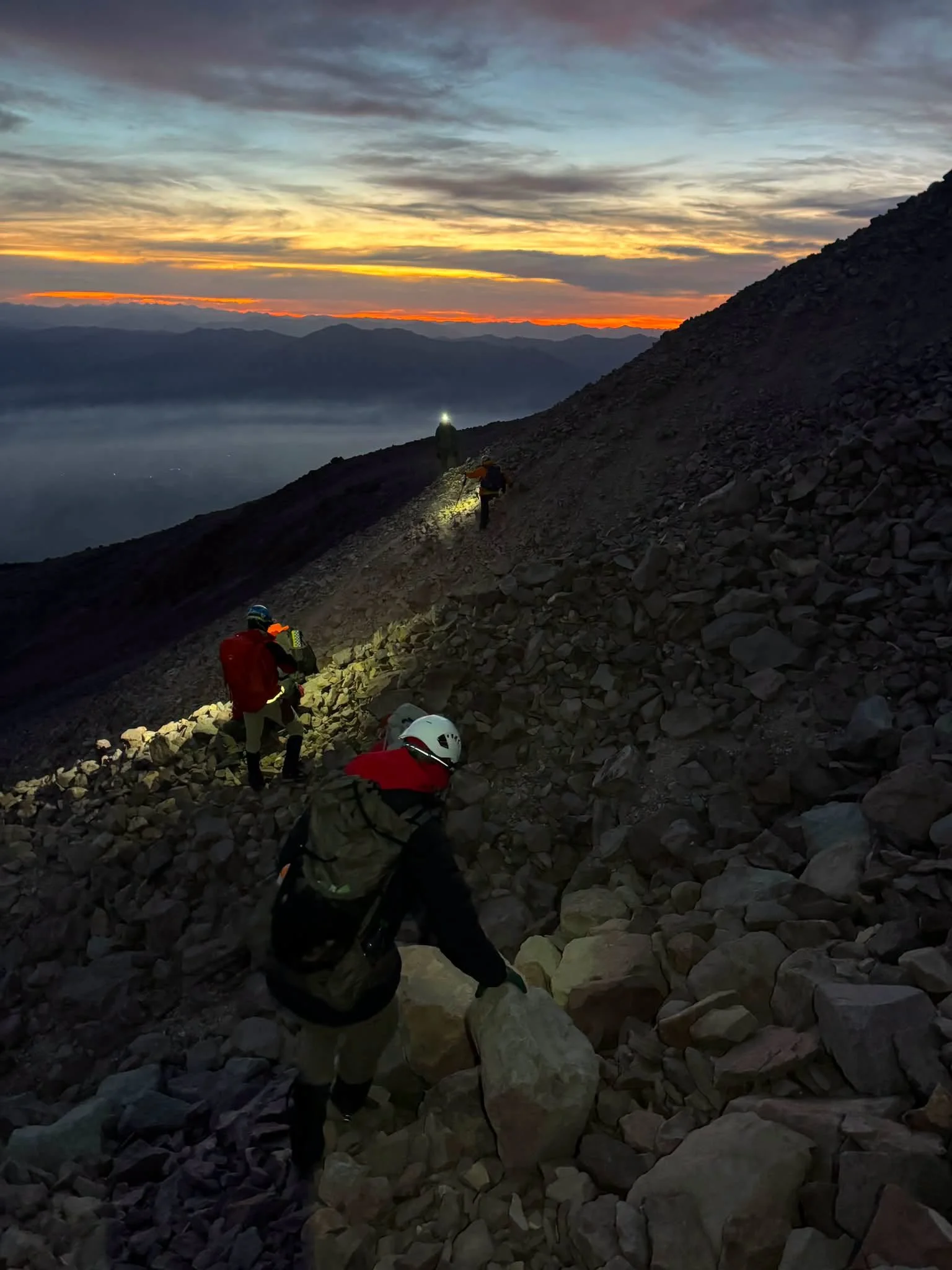
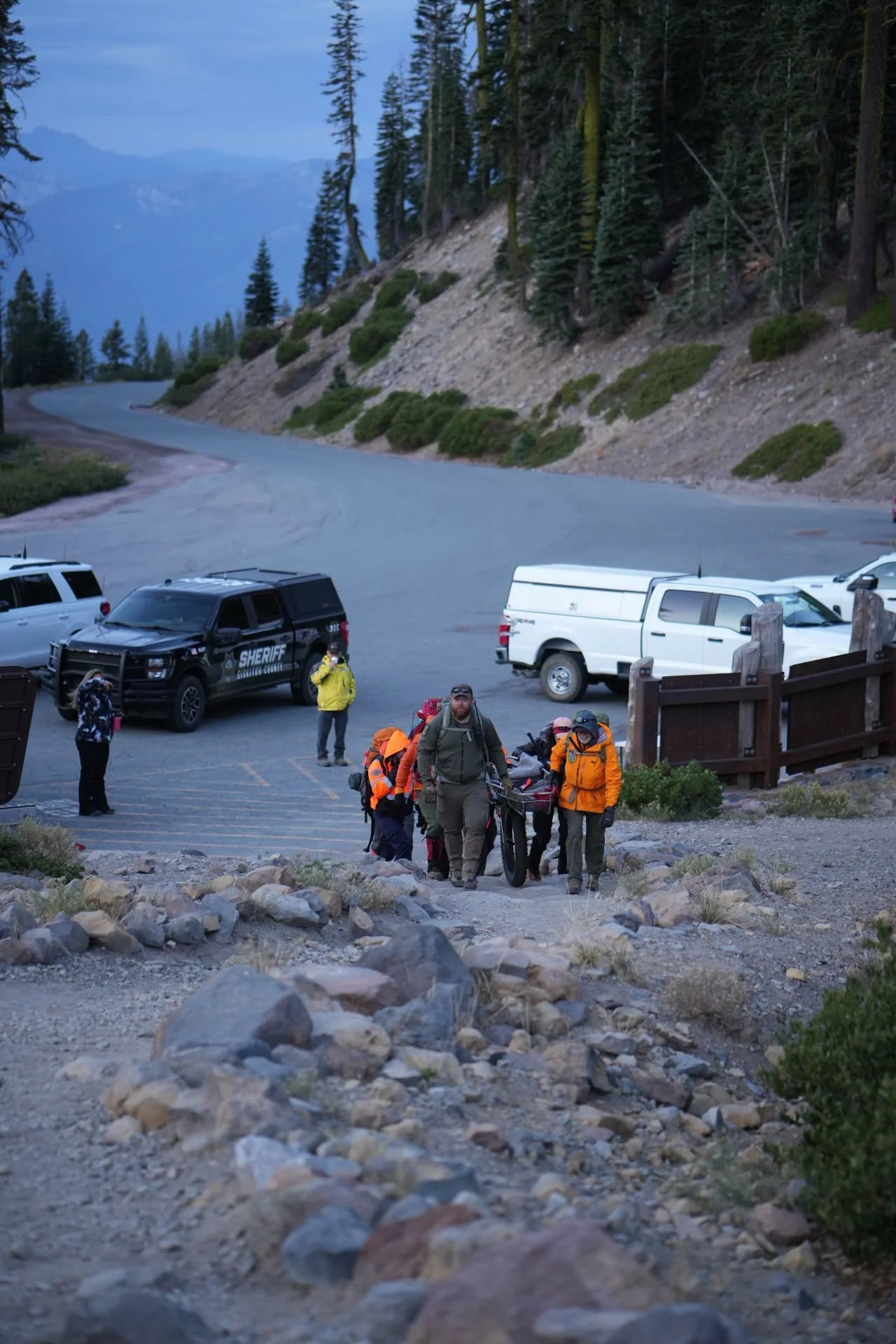
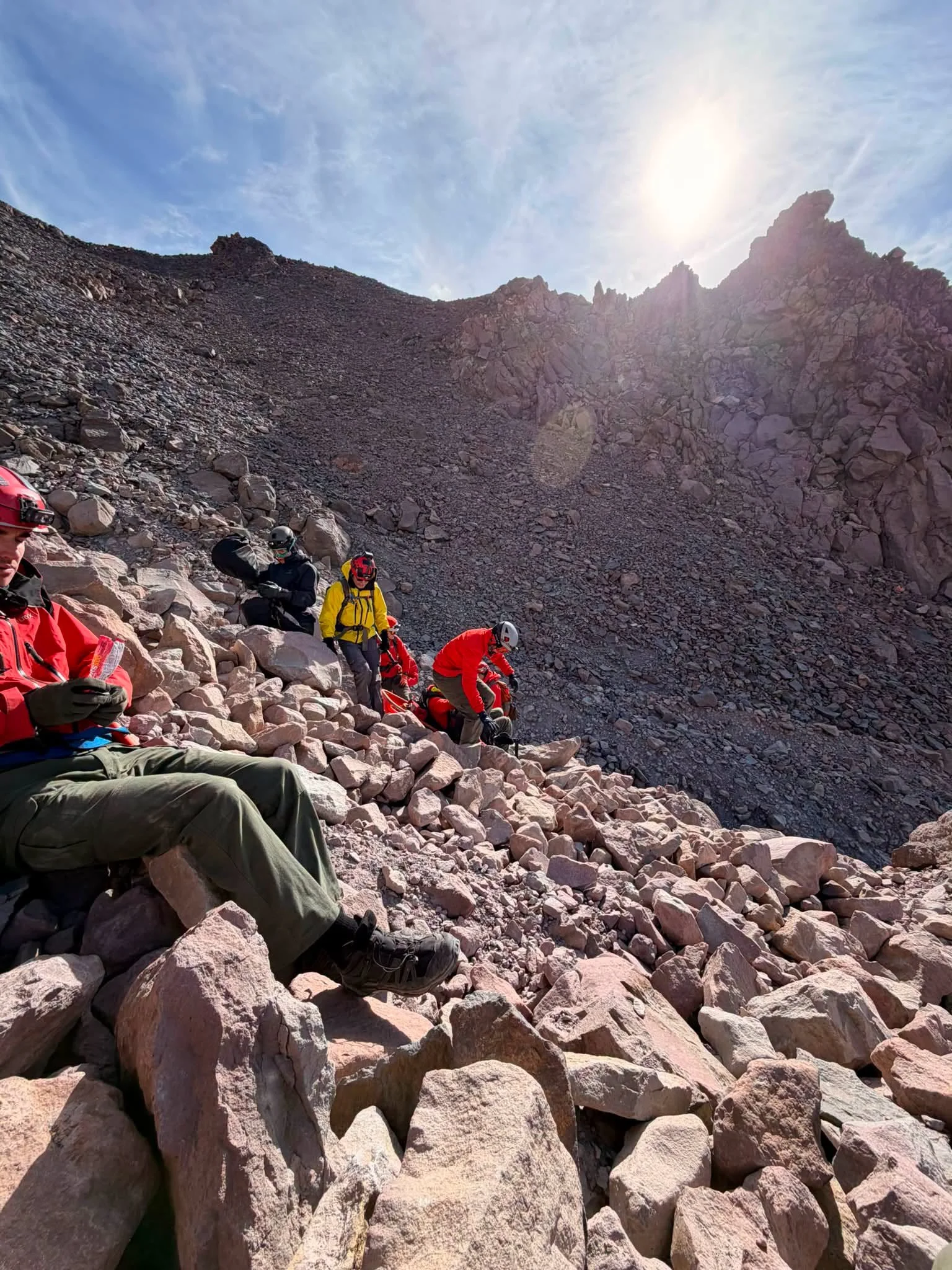
Mount Shasta Rescue Operation: Search and rescue personnel maneuver a rescue litter across steep, unstable volcanic rock while transporting an injured climber toward a helicopter landing area near Shastina. The operation involved dangerous terrain, freezing conditions, and high winds. Siskiyou County Sheriff's Office.
MOUNT SHASTA, Calif. — A 39-year-old Florida man survived two freezing nights high on Mount Shasta after following an incorrect GPS route onto Whitney Glacier, falling through a snow bridge, and suffering a serious leg injury that left him unable to descend.
The three-day rescue ended Tuesday evening, October 20, when a California Highway Patrol helicopter reached the injured climber near Shastina after search and rescue teams carried him across hazardous mountain terrain during a brief break in the weather.
The rescue is the latest in a series of incidents on Mount Shasta in recent weeks, several involving climbers who became stranded after navigation problems, late summit attempts, or injuries during their descent.
According to the Siskiyou County Sheriff's Office and Shasta-Trinity National Forest, the man reached Mount Shasta's summit around 3 p.m. Sunday, October 18, after climbing the Avalanche Gulch Route.
During his descent, he followed directions from a GPS navigation tool that led him toward the north side of the mountain, opposite the route he had climbed.
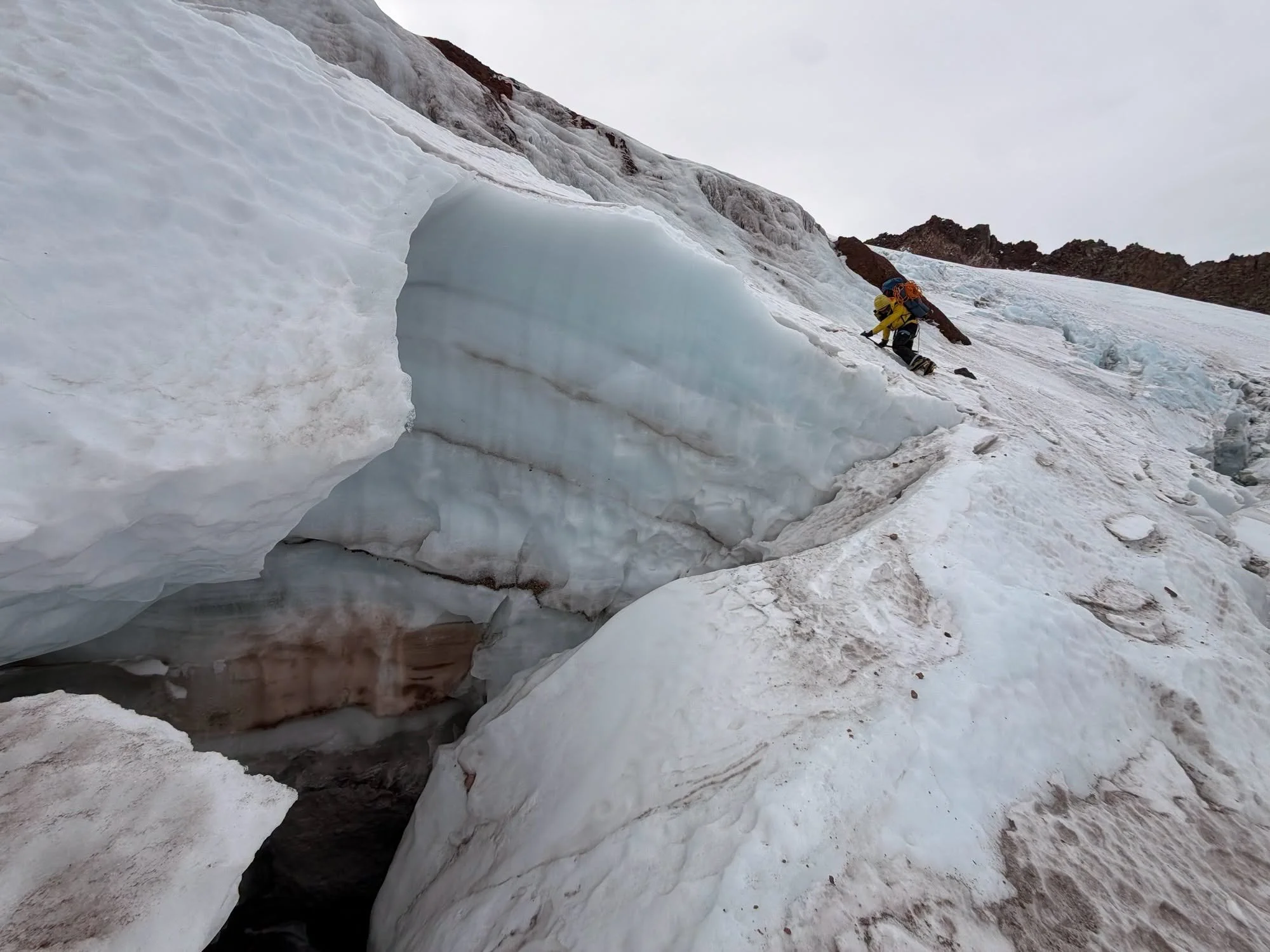
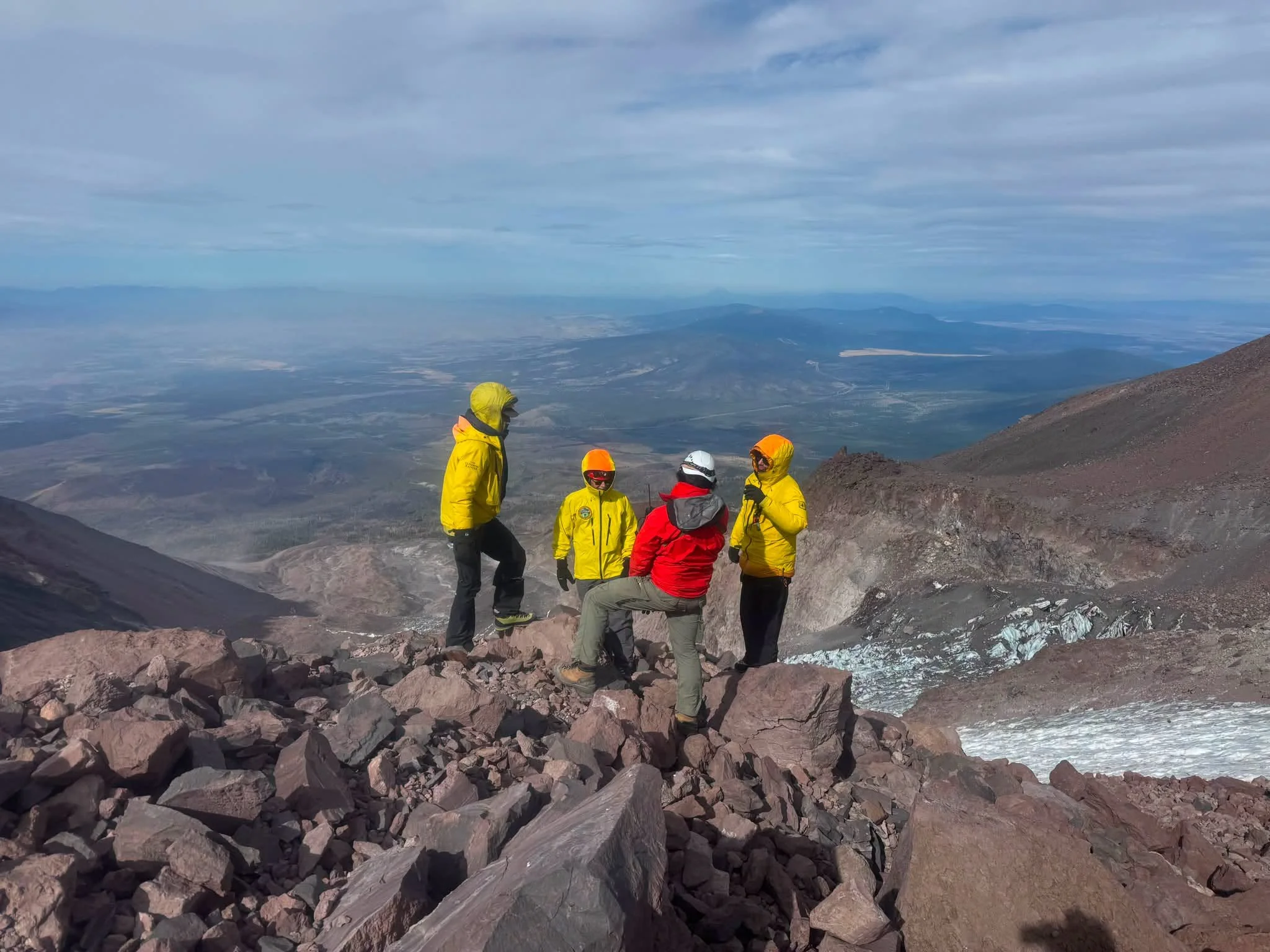
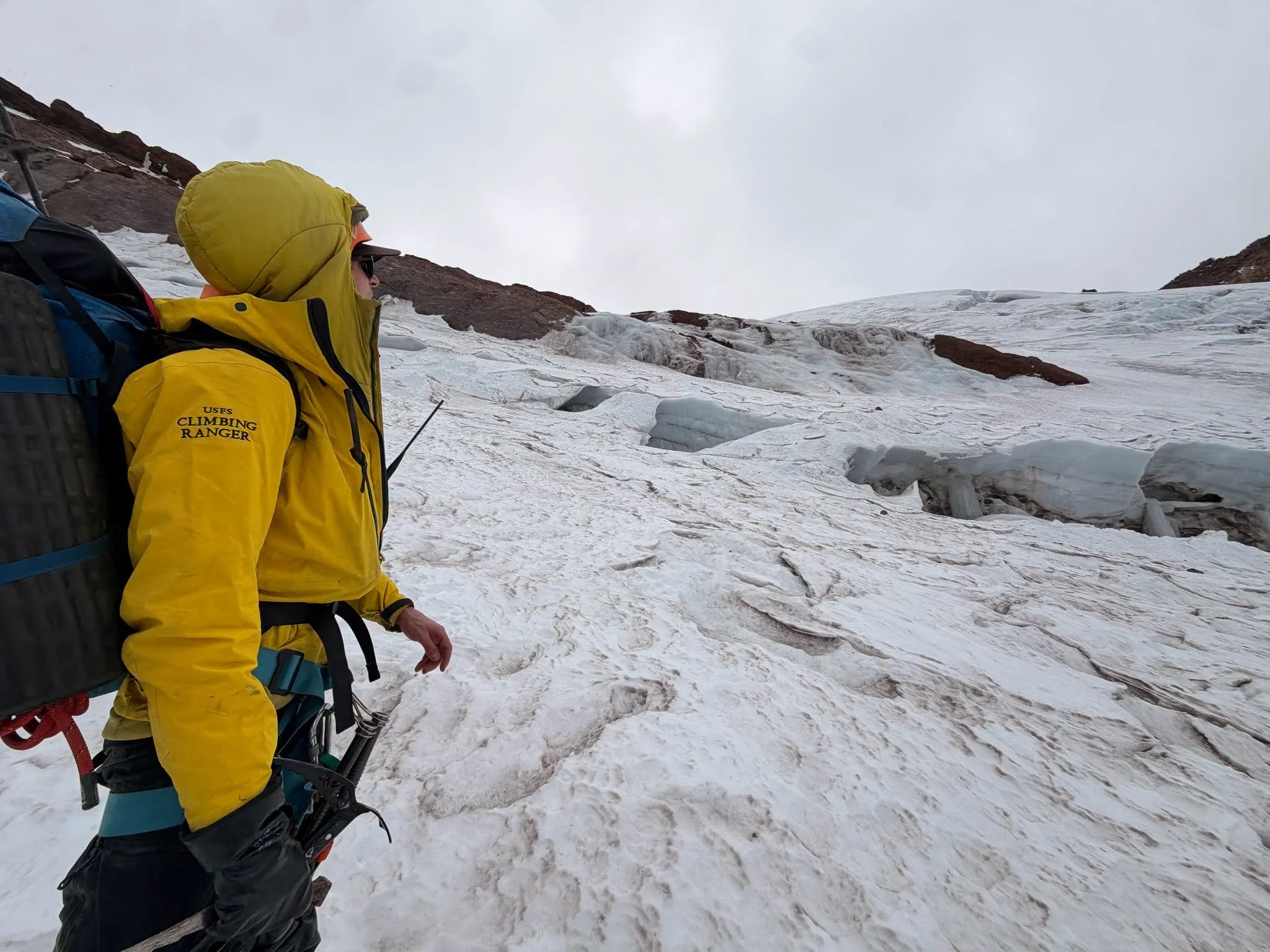
Whitney Glacier Crevasse: A U.S. Forest Service climbing ranger navigates the snow and ice surrounding a large crevasse on Mount Shasta. The injured climber fell through a thin snow bridge concealing a crevasse while following an incorrect GPS descent route. Shasta-Trinity National Forest.
The mistake took him onto Whitney Glacier, where he stepped through a thin snow bridge concealing a crevasse and severely injured his leg.
Unable to continue, the climber called 911 around 5 p.m., setting a rescue operation in motion.
He was wearing sweatpants, a sweatshirt, and running shoes, with no snow or ice climbing equipment. He carried trekking poles and limited food and water but lacked the clothing and shelter needed to survive prolonged exposure to freezing conditions.
High winds, poor visibility, and approaching darkness prevented rescuers from reaching him that night.
Two Nights Stranded High on the Mountain
The climber spent Sunday night alone on the mountain as temperatures dropped below freezing.
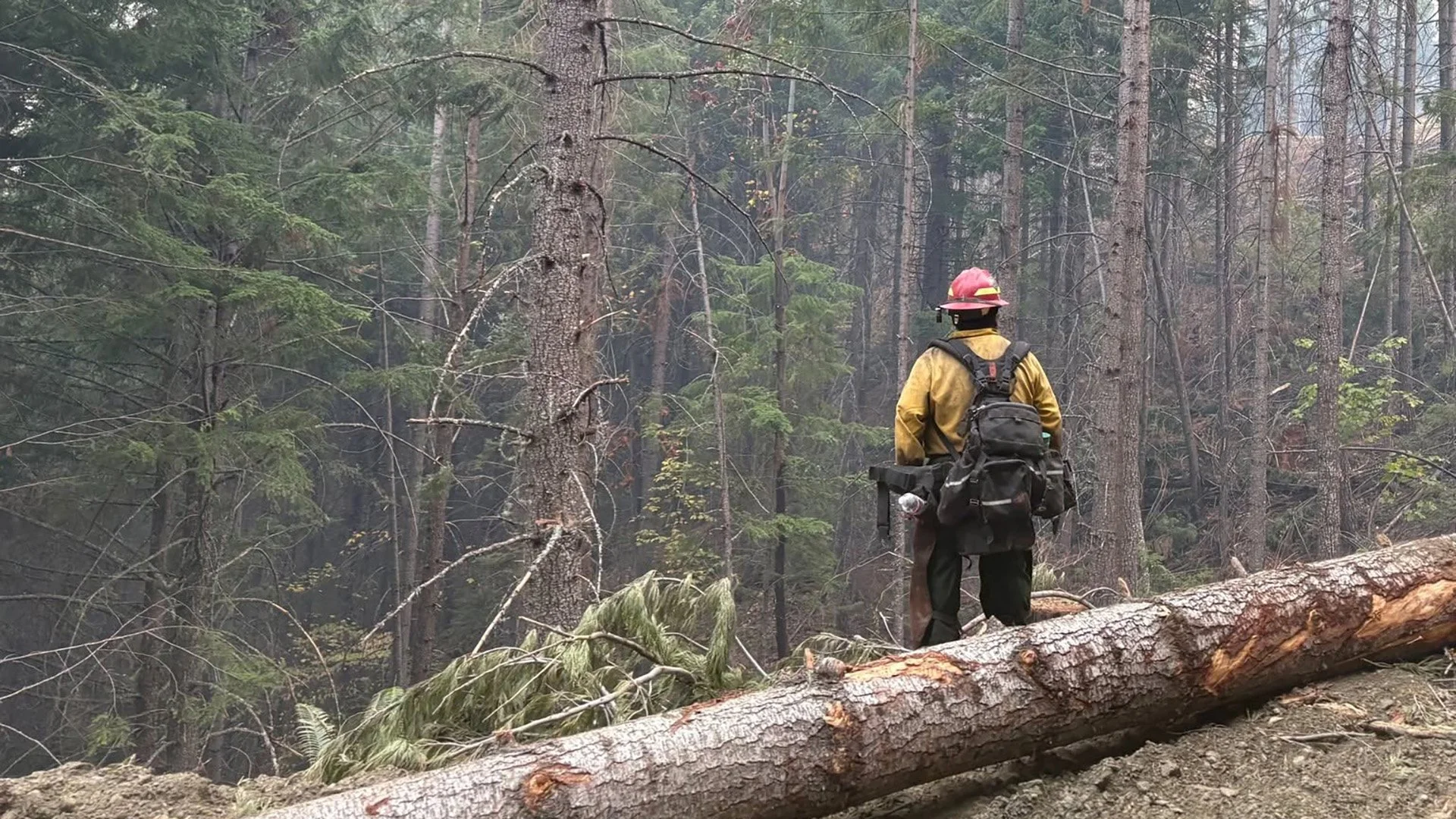
On Monday morning, two U.S. Forest Service climbing rangers were flown to Misery Hill near the summit and descended toward the injured man.
They reached him later that morning, providing medical assistance, warmer clothing, food, and water. The climber was suffering from frostbite and signs of hypothermia, according to rescue officials.
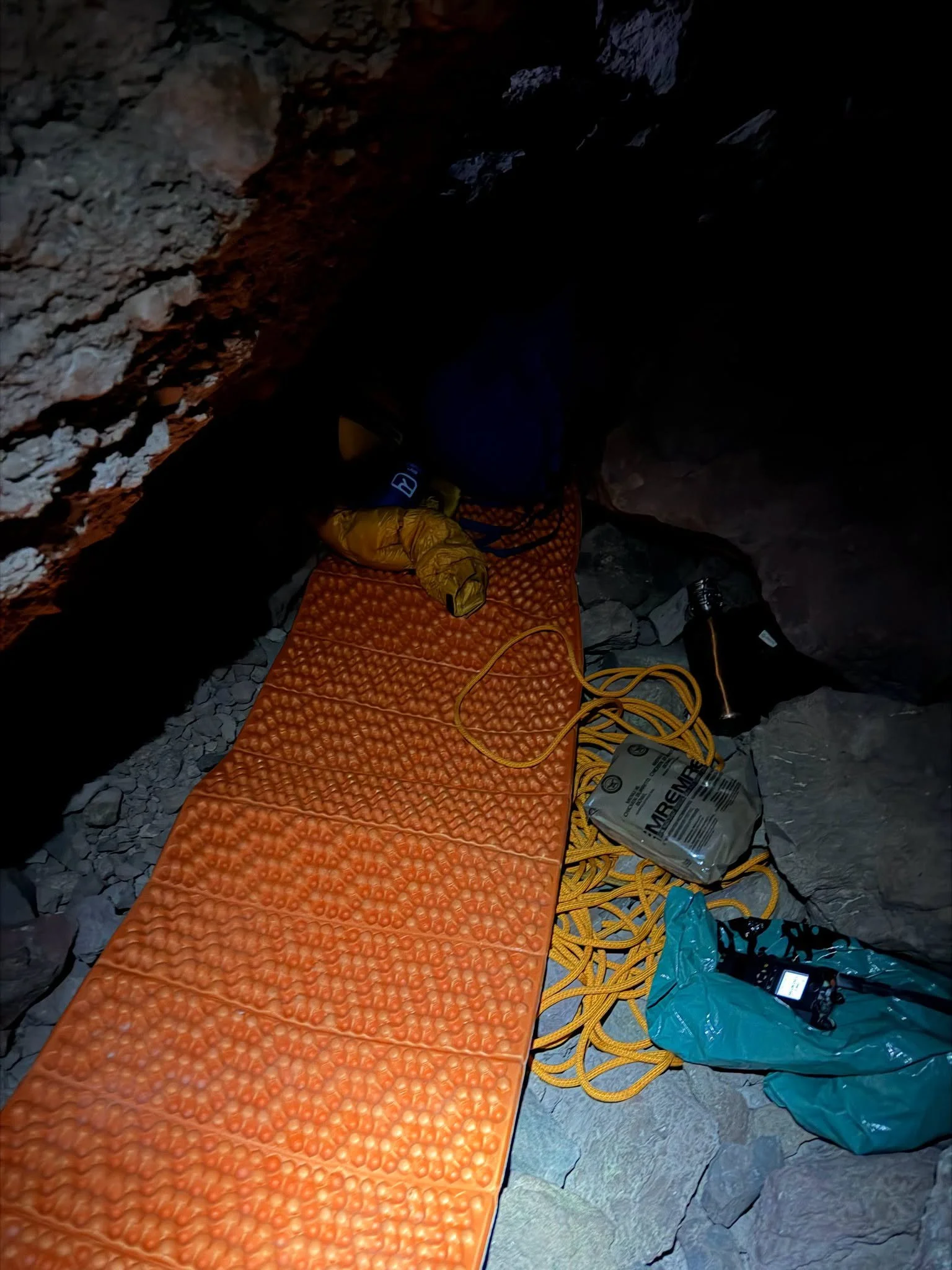
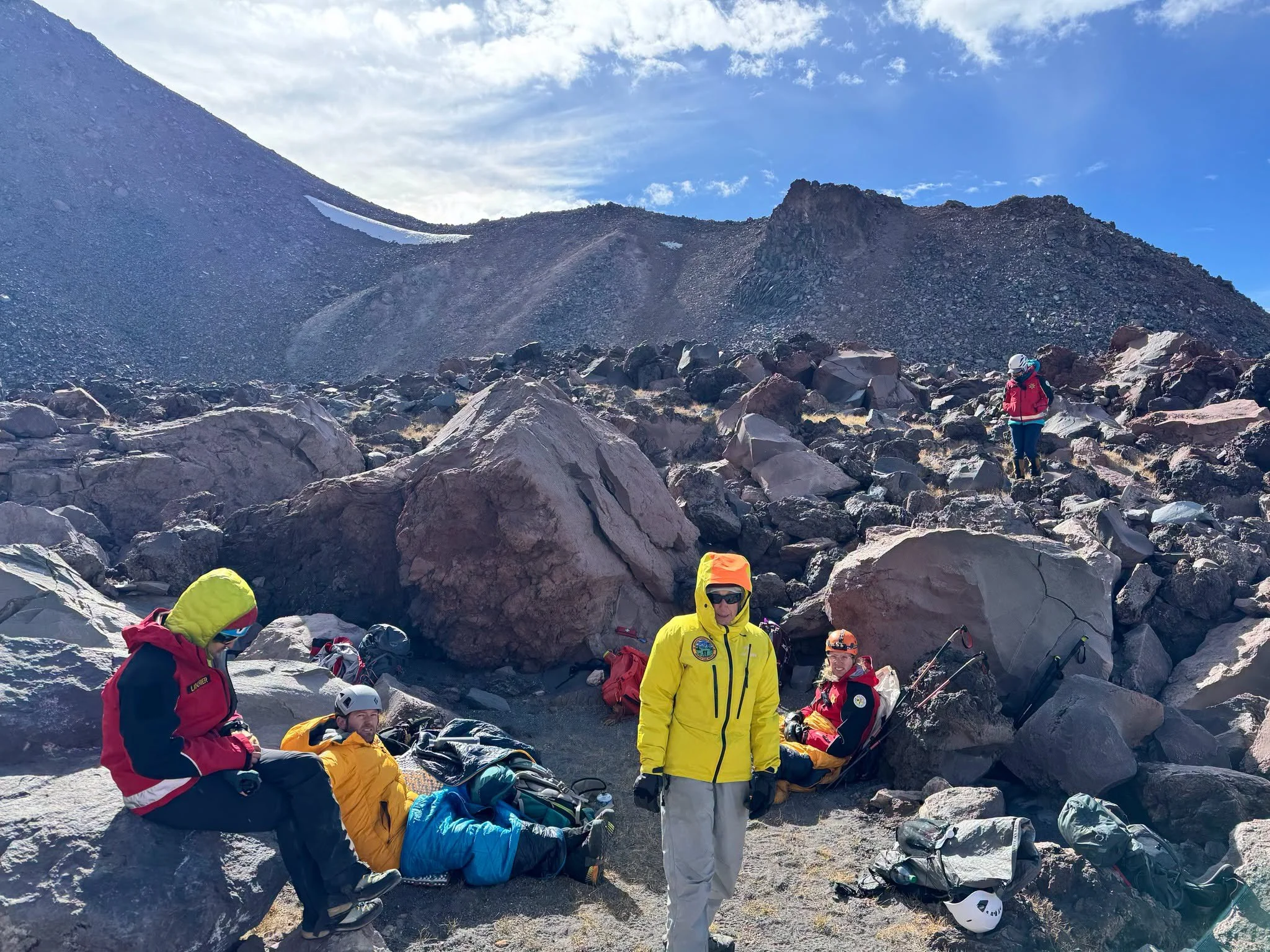
The rangers were able to move him away from the exposed glacier to a slightly more sheltered area behind a large boulder.
But the rescue was far from over.
Strong winds prevented a helicopter extraction Monday afternoon and evening, while the climber's injuries made it impossible for the two rangers to safely bring him down the mountain alone.
The rangers remained with him through Monday night, his second night stranded in freezing conditions.
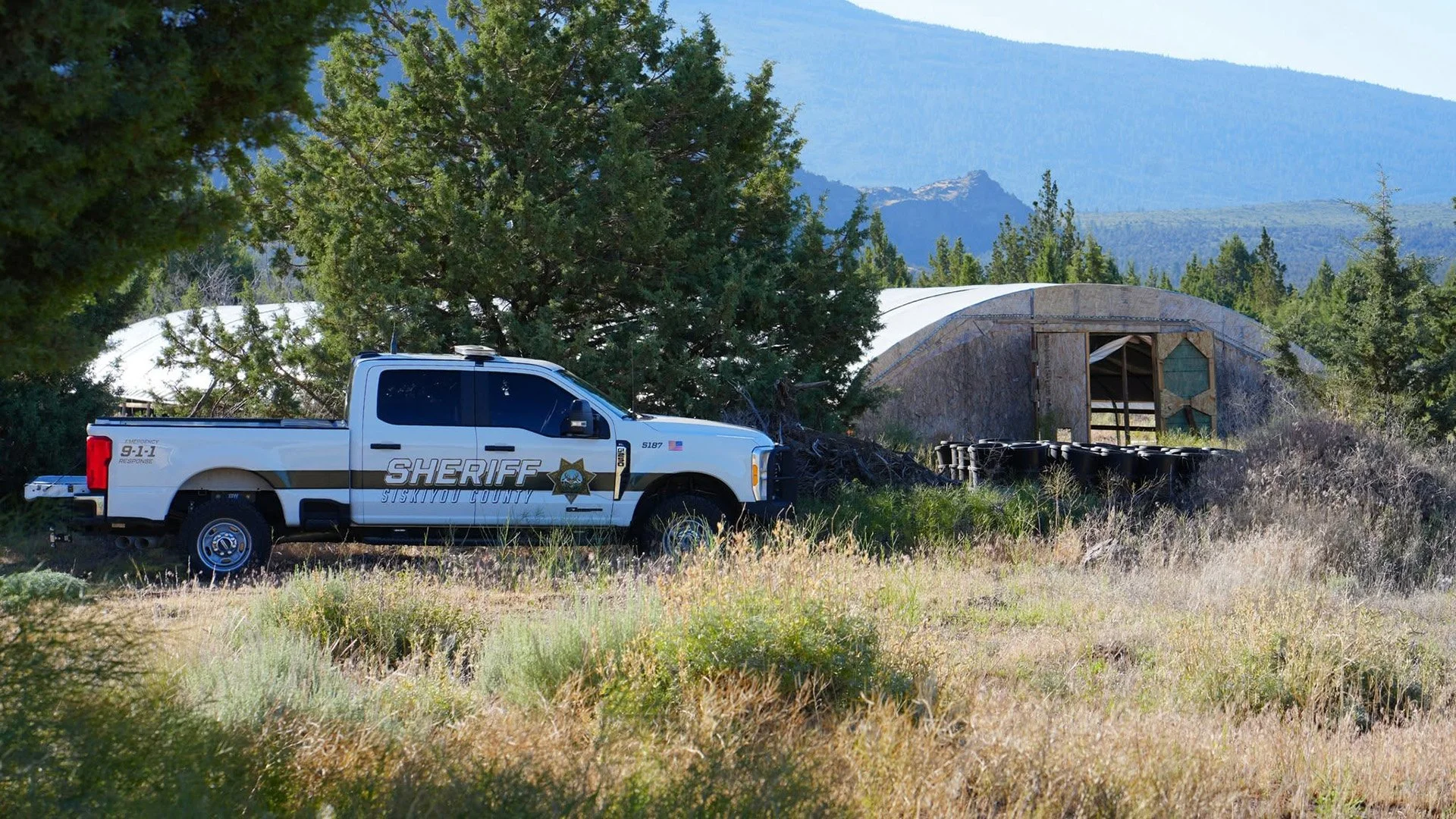
Meanwhile, the Siskiyou County Sheriff's Office mobilized more than 30 additional search and rescue personnel for a ground evacuation.
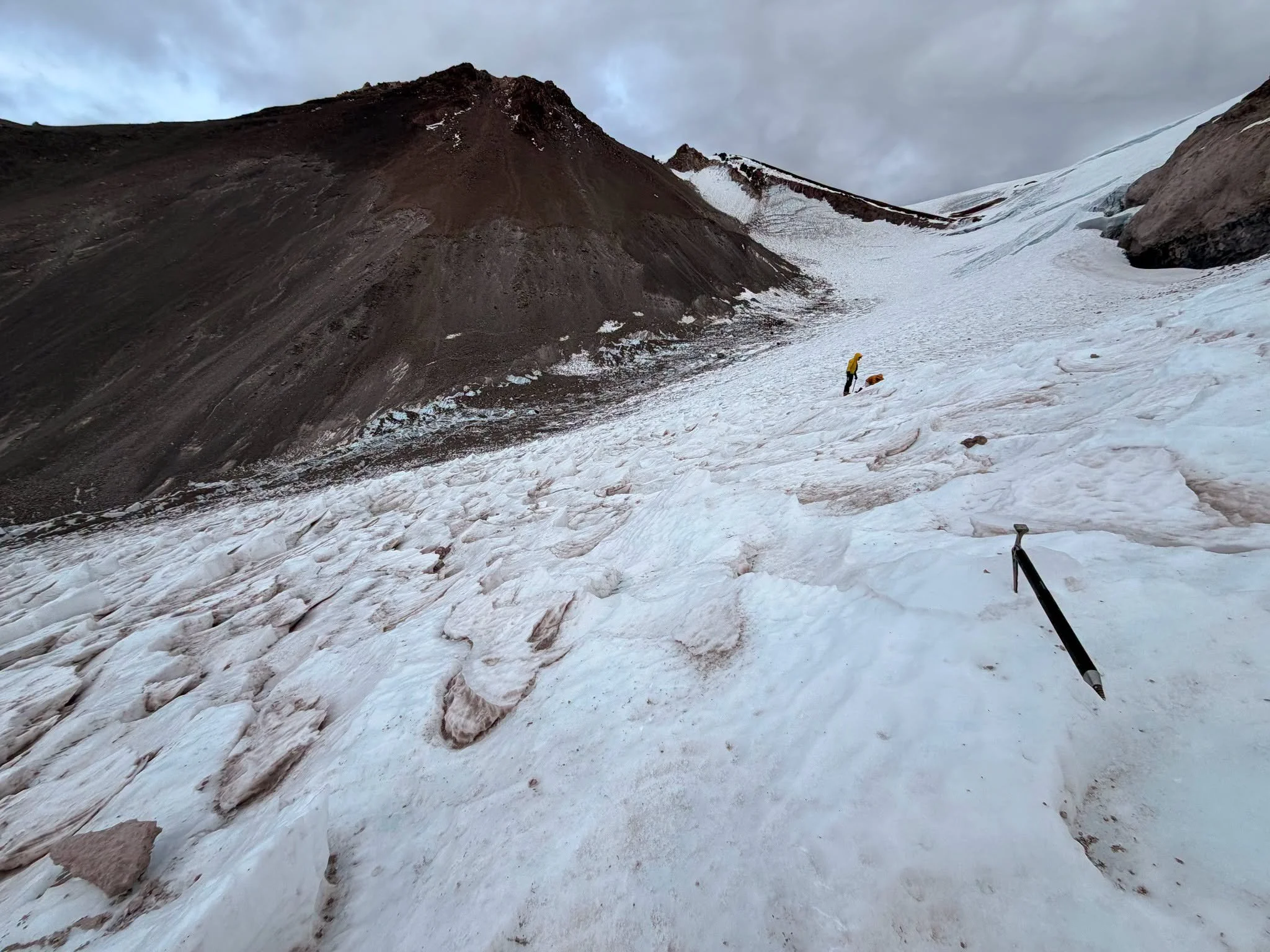
By early Tuesday afternoon, the first ground teams had reached the climber. Rescuers placed him in a litter and began carrying him down toward the saddle between Mount Shasta and Shastina.
The operation exposed rescuers to falling rocks, freezing temperatures, difficult terrain, and winds reaching 50 to 60 mph.
With the climber's condition deteriorating, teams worked to reach an area where a helicopter could safely land.
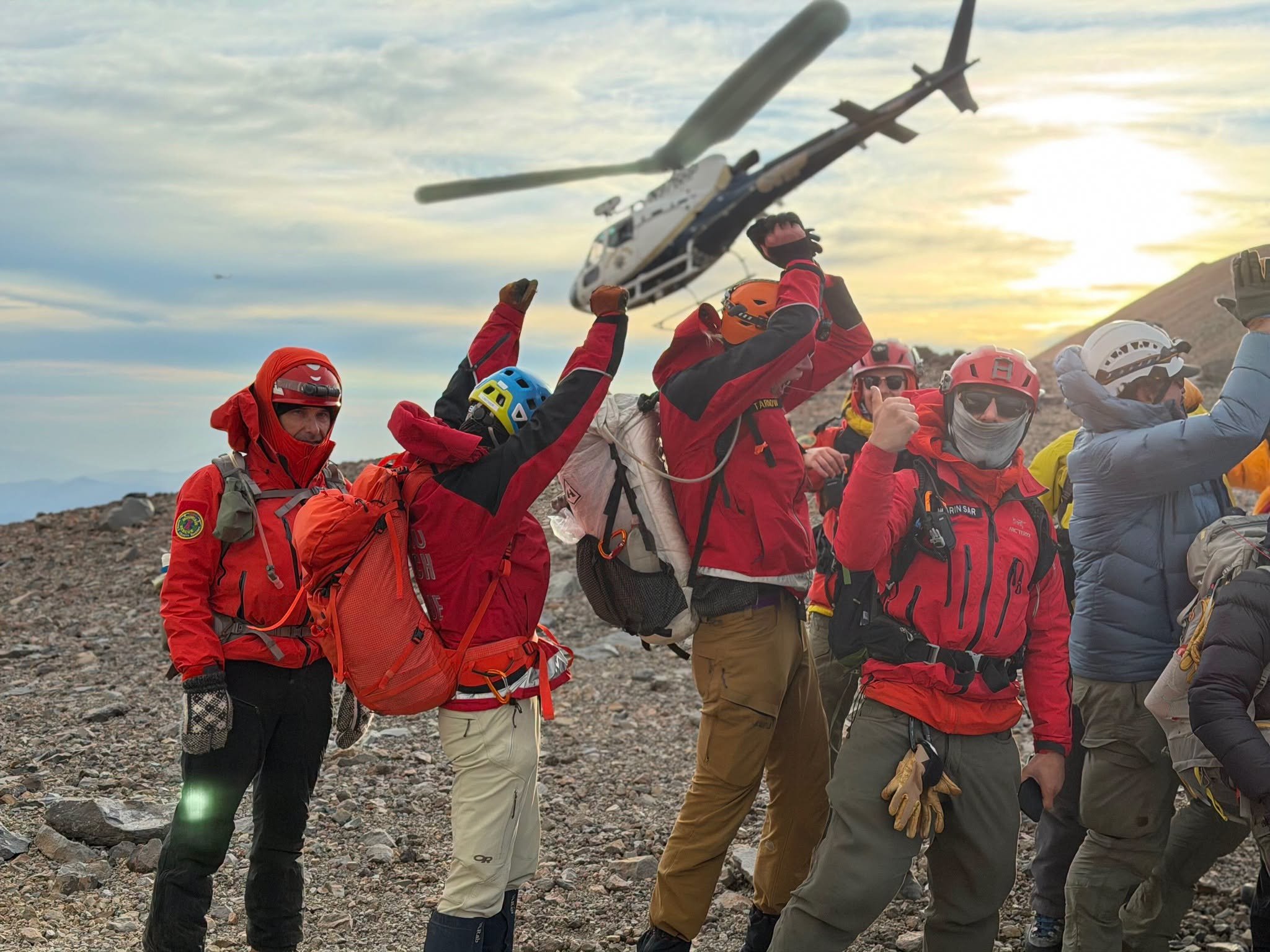
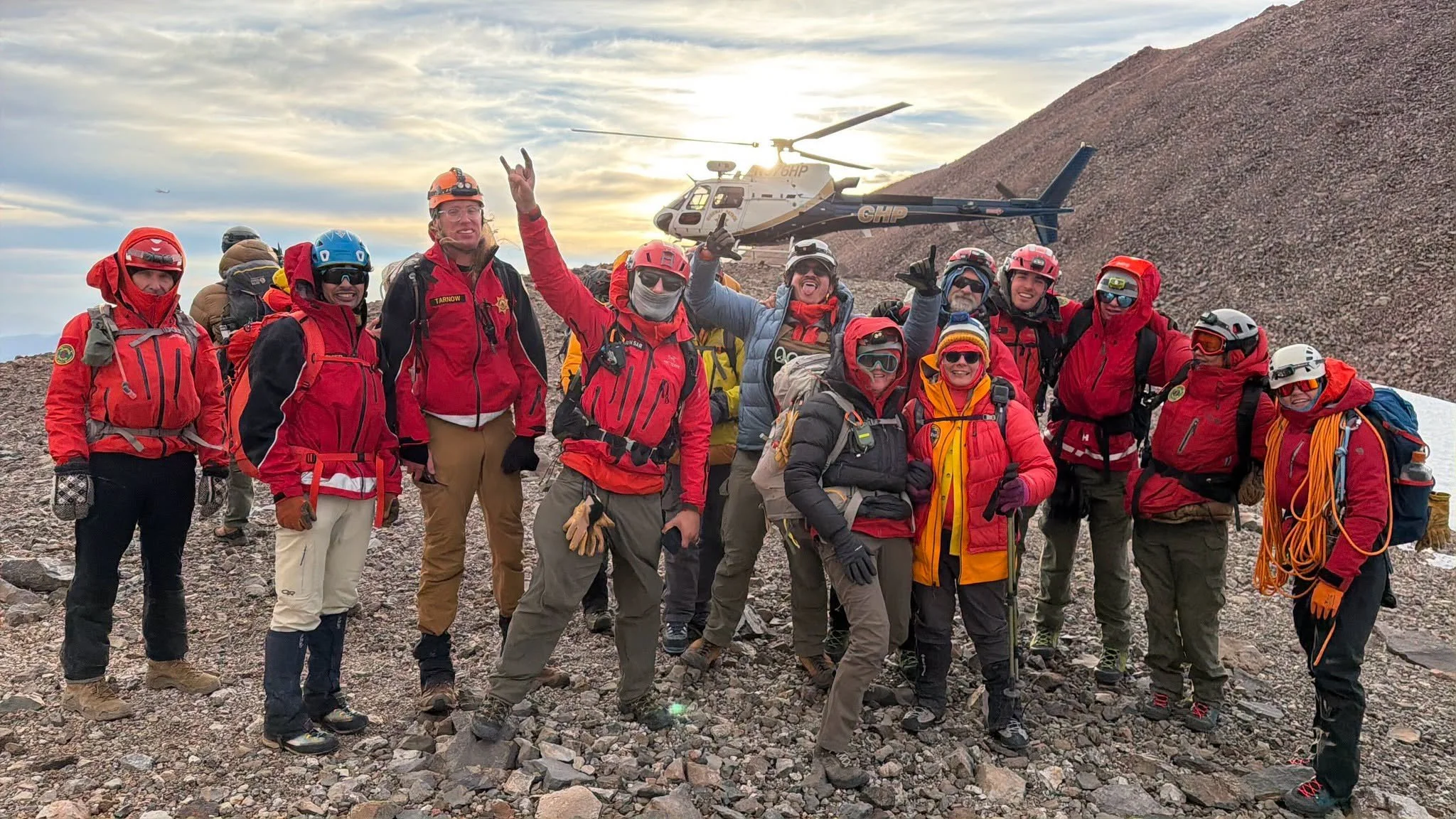
A CHP helicopter eventually took advantage of a brief improvement in conditions, landing near Shastina and transporting the climber off the mountain Tuesday evening.
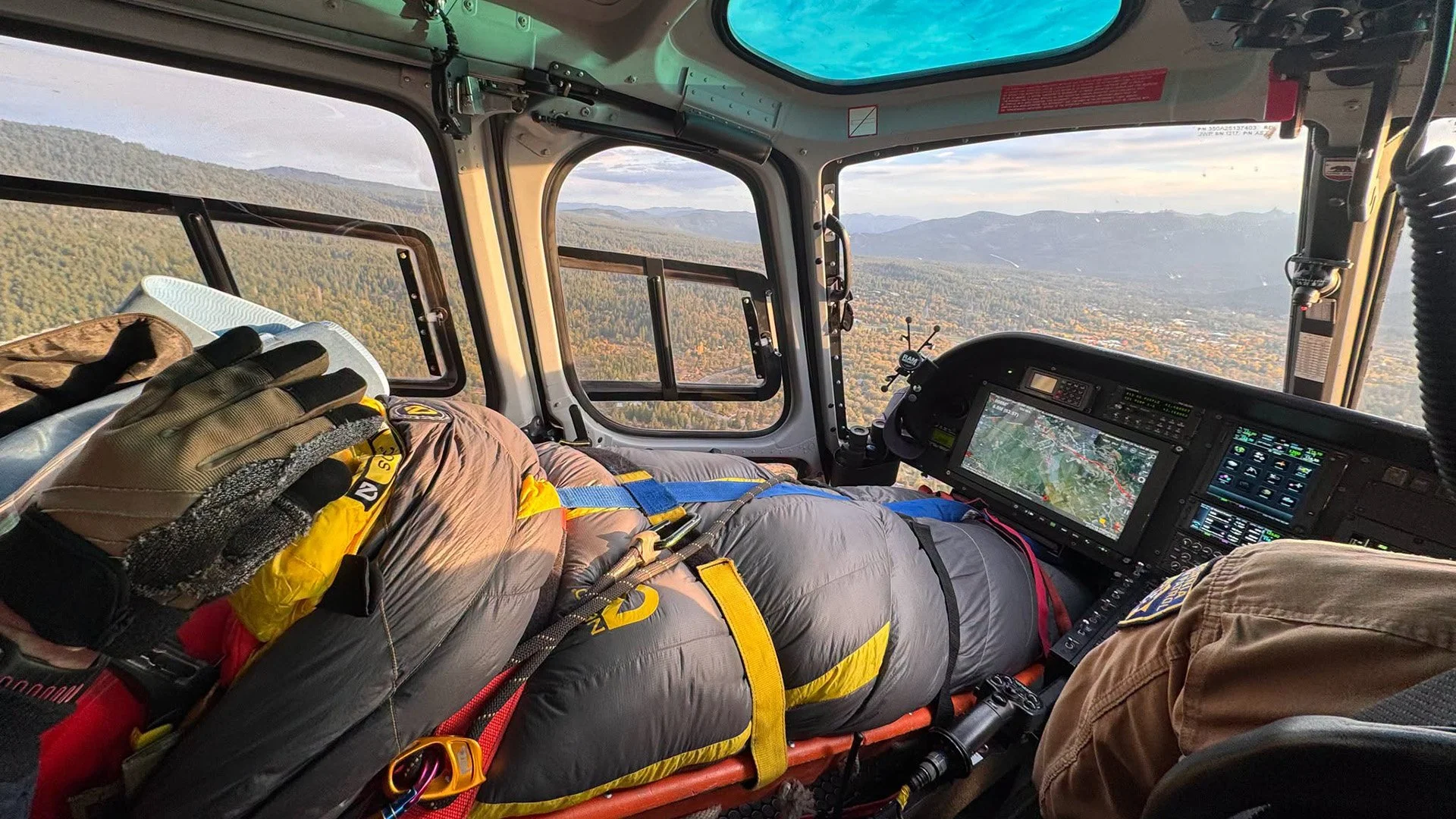
Cover Image / Climber Airlifted to Safety: The injured climber is secured aboard a California Highway Patrol helicopter following his evacuation from Mount Shasta. The 39-year-old Florida man spent two freezing nights stranded on the mountain before being transported to a hospital for treatment. Siskiyou County Sheriff's Office.
He was taken to an area hospital for treatment of his injuries, including frostbite to his foot and leg.
The last rescue personnel returned to the trailhead late Tuesday night.
The operation involved Forest Service climbing rangers, CHP Northern Division Air Operations, the California Governor's Office of Emergency Services, and search and rescue personnel from Siskiyou, Trinity, Marin, and San Mateo counties, along with Jackson County, Oregon, and the Bay Area Mountain Rescue Unit.
a Series of Recent Incidents
The Whitney Glacier operation follows several other Mount Shasta rescues documented in recent weeks.
On October 14, Jefferson Daily News reported that two young hikers from Salt Lake City were rescued after spending approximately 36 hours on the mountain. The pair became stranded after their phones died and they missed their route near Horse Camp, eventually wandering into Cascade Gulch, where steep cliffs prevented them from continuing.
Both survived without injuries.
Rescuers Navigate Rocky Slopes: Search and rescue personnel make their way across steep, unstable terrain on Mount Shasta. The difficult ground evacuation required teams to carefully transport an injured climber toward a location accessible by helicopter. Siskiyou County Sheriff's Office.
In September, a climber from San Jose suffered significant injuries after sliding approximately 500 feet while attempting to glissade down Avalanche Gulch. Unable to walk normally, he crawled through the night before reaching Horse Camp, where another hiker discovered him and alerted rescuers.
Earlier that month, three novice climbers from Roseville became stranded after reaching Mount Shasta's summit around 7 p.m., well beyond the recommended turnaround time.
The group had relied on AI tools, YouTube, and AllTrails while preparing for the climb. During their descent, a dead cellphone and failed backup charger contributed to navigation problems that led them off the Clear Creek Route and into Mud Creek Canyon. One climber injured his knee before Forest Service rangers reached the group the following morning.
Including the latest Whitney Glacier incident, Jefferson Daily News has documented at least four separate Mount Shasta rescue operations involving stranded or injured climbers since late August.
While the recent incidents represent a noticeable cluster of rescues, available information does not establish whether the mountain is experiencing a higher overall rescue rate than previous years.
The incidents do share several recurring concerns: navigation difficulties, inadequate equipment, limited daylight, and the challenges of reaching injured climbers in exposed terrain.
For rescuers, even a successful emergency call can mark the beginning of an operation lasting many hours or days.
CHP Helicopter Rescue: A California Highway Patrol helicopter lands high on Mount Shasta during a brief break in hazardous weather. Rescuers carried the injured climber toward a landing area near Shastina before he was airlifted to safety Tuesday evening. Shasta-Trinity National Forest.
Know before you go
Following the latest rescue, Shasta-Trinity National Forest climbing rangers emphasized that Mount Shasta demands considerably more preparation than an ordinary backcountry hike.
"Mount Shasta is not a hike, but a climb," the Forest Service warned in its statement about the rescue. "It is a large and complicated mountain where route conditions and weather can change at any time."
Rangers provided several recommendations for anyone considering a summit attempt, particularly during the fall when changing weather and deteriorating route conditions can increase the hazards.
Choose the right route for the season. The popular Avalanche Gulch Route is generally best climbed during spring and early summer when snow conditions are more consolidated.
"The Avalanche Gulch route is not recommended this time of year," the Forest Service stated. Rangers recommend Clear Creek for summer and fall climbing and emphasize that crampons and an ice axe are essential whenever snow and ice are present.
Set a firm turnaround time. Reaching the summit late in the afternoon can leave climbers navigating difficult terrain after dark.
"Have a turnaround time and stick to it. If you are unable to reach the summit by noon, turn around," the Forest Service advised.
Challenging Mount Shasta Rescue: Search and rescue personnel work across loose volcanic rock during the effort to evacuate an injured climber from Whitney Glacier. Crews faced steep slopes and rockfall hazards while moving the climber toward a helicopter landing area. Siskiyou County Sheriff's Office.
Prepare for an unexpected overnight stay. Even a planned day climb can become a prolonged emergency when weather, injuries, or difficult terrain prevent rescuers from reaching someone.
Climbers should carry adequate clothing, emergency shelter, food, and water to survive unexpected delays.
Have backup navigation. GPS applications can provide incorrect directions, while batteries and electronic devices can fail in cold conditions. Rangers recommend carrying paper maps, understanding the intended route before departure, and avoiding unplanned deviations.
Tell someone your plans. A trusted contact should know the intended route, departure time, and expected return so authorities can be notified promptly if a climber becomes overdue.
The Forest Service closed its safety recommendations with a warning that applies to every summit attempt:
"And remember: No summit is worth your life! Summitting is optional; getting down is mandatory."
The latest rescue illustrates why that warning matters. Although the climber successfully reached Mount Shasta's summit Sunday afternoon, a navigation error during his descent left him injured and stranded on a glacier for two nights, requiring an extensive rescue operation before he could be brought to safety.

Keep Reading