Henley, Lost River Win $250K for Hands-On Career Programs
Two Klamath County schools will use $125,000 grants to expand livestock education at Henley and modernize wood and metal shops at Lost River.
AT A GLANCE
Funding: Henley High School and Lost River Jr./Sr. High School each received $125,000 CTE Revitalization Grants.
Henley: Expanding agricultural education with a new cattle program, livestock infrastructure, irrigation, mechanics, welding, and fabrication.
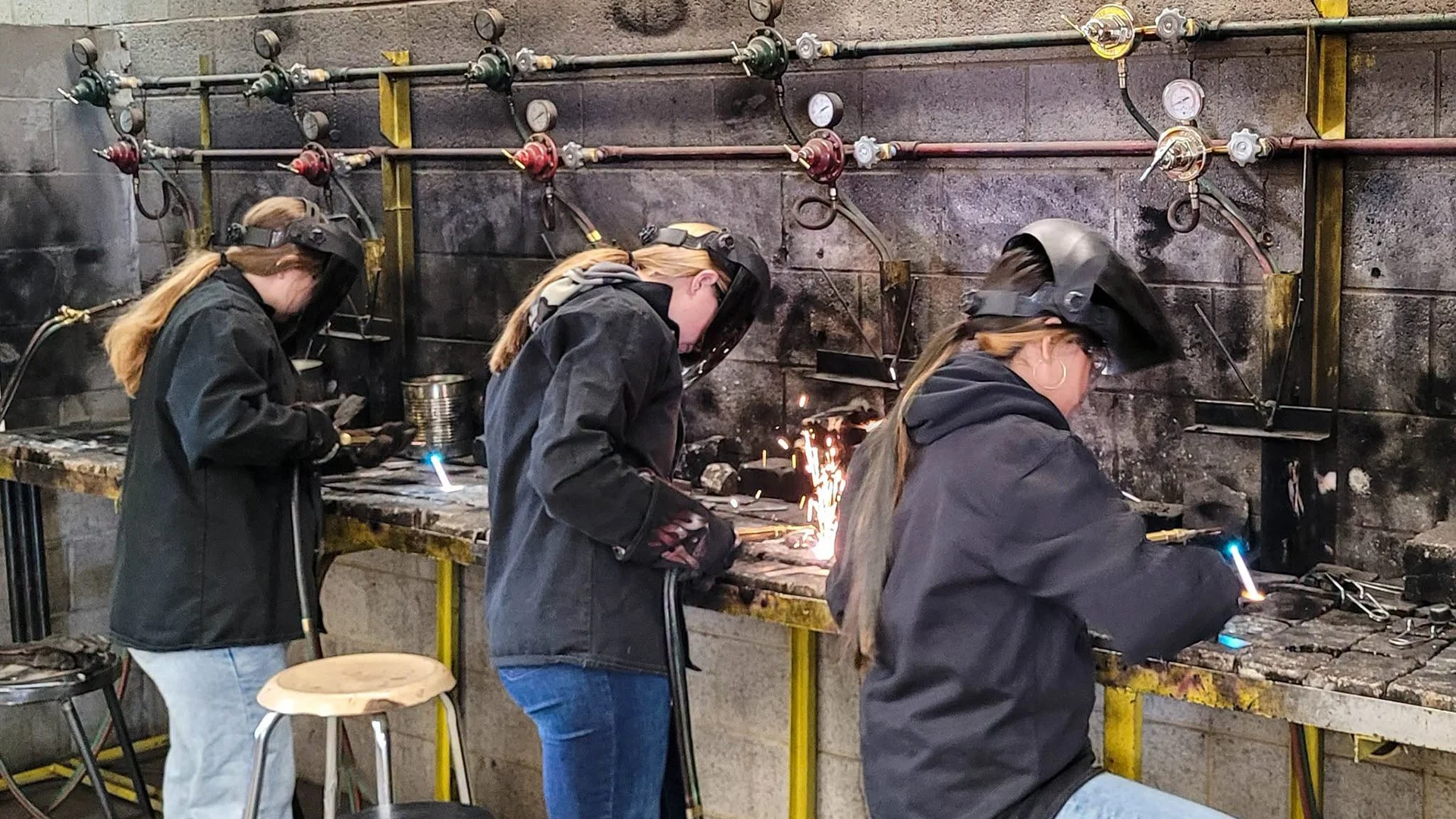
Lost River: Modernizing wood and metal shops with new workbenches, storage, tools, ventilation, and equipment.
Grant source: Oregon Department of Education CTE Revitalization Grant program.
KLAMATH COUNTY, Ore. — Two Klamath County high schools are receiving a combined $250,000 to expand hands-on career and technical education, with one preparing to raise cattle on campus for the first time and the other upgrading aging wood and metal fabrication shops.
Henley High School and Lost River Jr./Sr. High School each received a $125,000 CTE Revitalization Grant through the Oregon Department of Education.
The grants support two very different projects built around the same goal: giving students more opportunities to learn career skills by doing the work themselves.
At Henley, that will soon include cattle.


The school’s “From Field to Food: Agricultural Production & Workforce Pathways Initiative” will expand instruction in livestock production, agricultural infrastructure, irrigation, agricultural mechanics, welding, and fabrication.
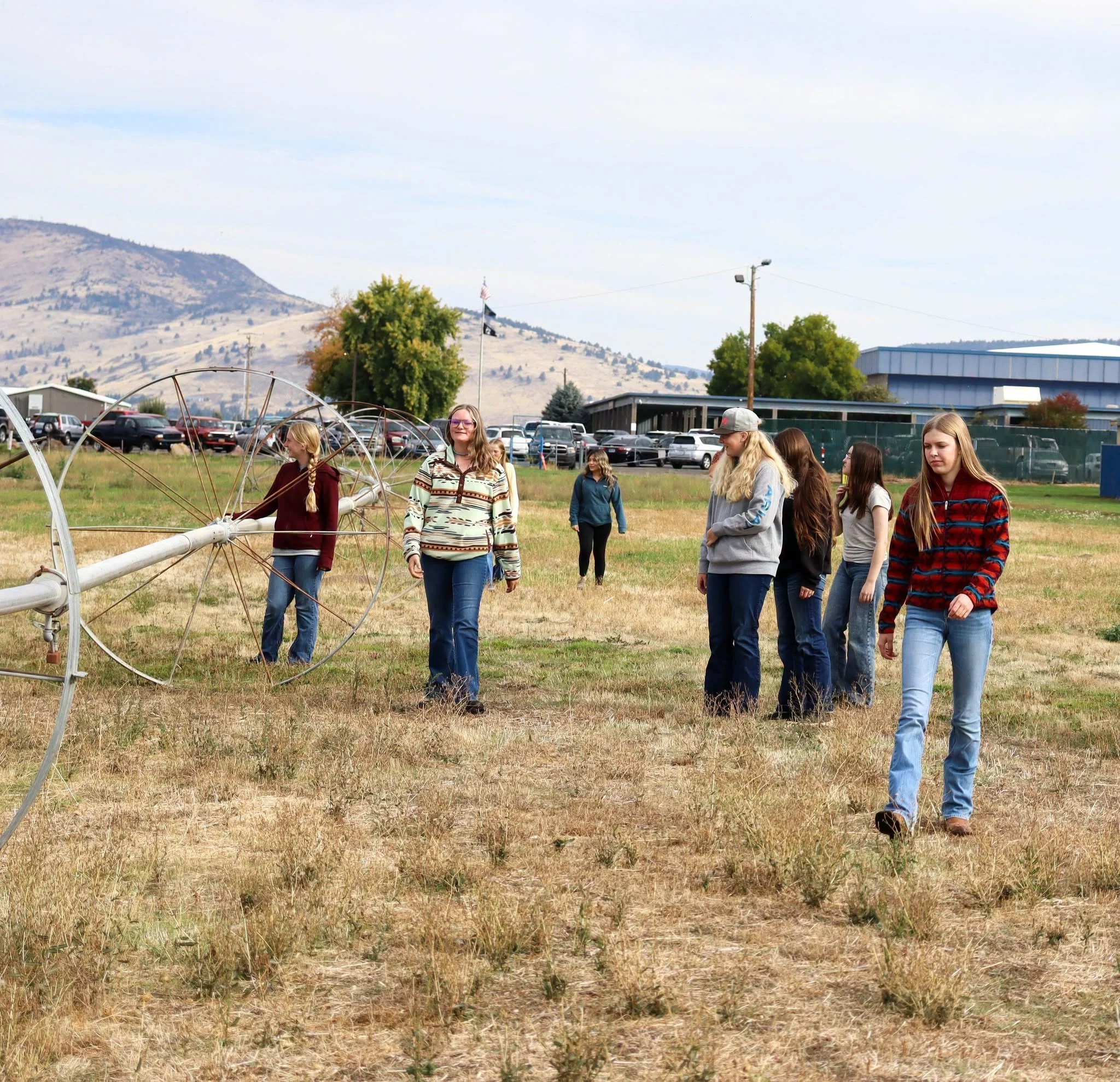
Students in Henley’s advanced agricultural science class have already begun looking at the school property where a new livestock area will be created.
The first step is fencing.
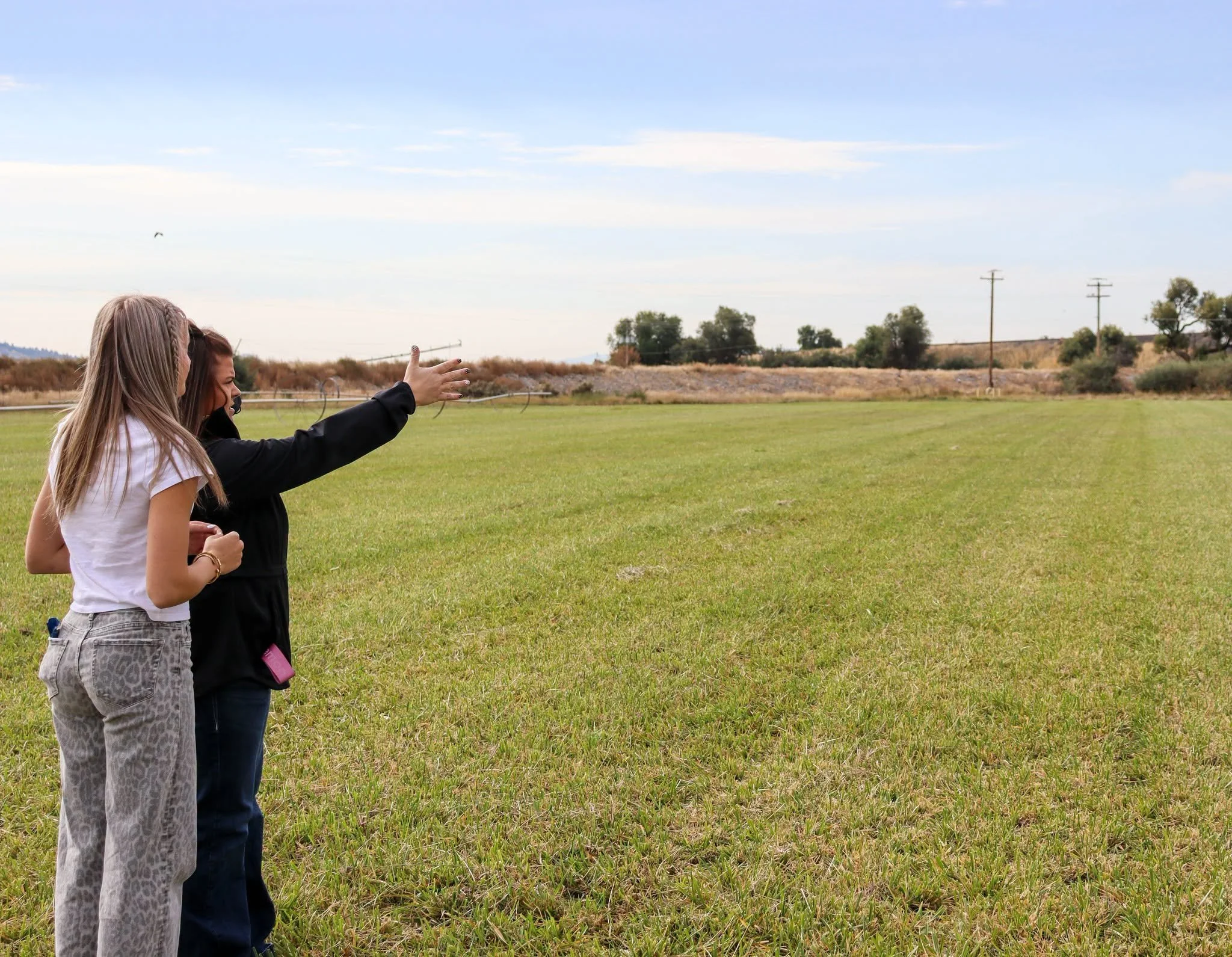
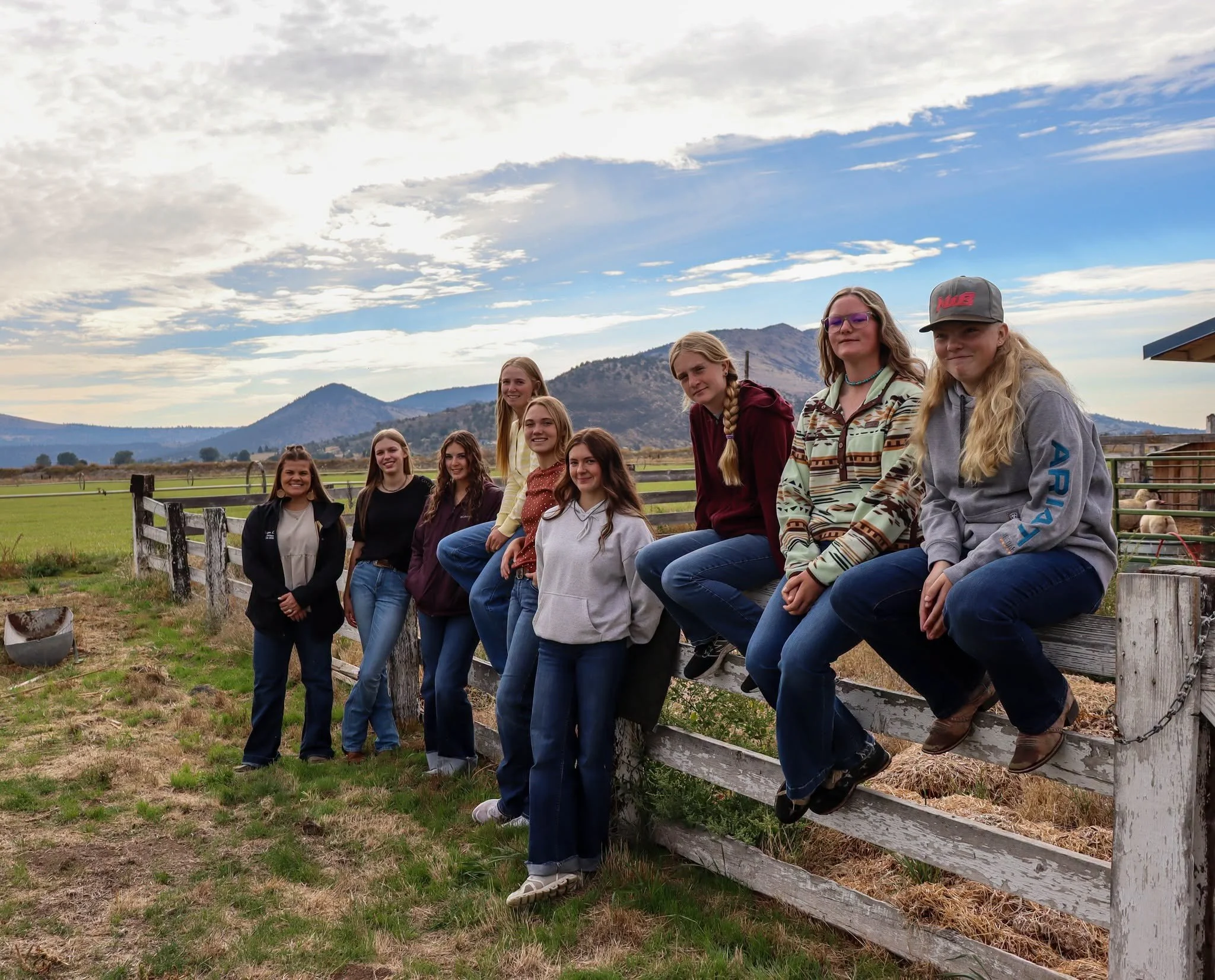
Agriculture teacher Meagan Greif recently took students to the school farm to review the area where they will build the enclosure and eventually raise cattle.
Henley plans to acquire bred heifers, with the goal of having them on campus by early spring.
Students will help care for the animals while learning about livestock management, nutrition, reproduction, and animal health. Their work could include caring for pregnant cows, assisting with newborn calves, and making breeding decisions.
Because the school cannot keep a bull on site, students may also explore breeding options including artificial insemination or sending cows to another property.
That process will give students an opportunity to work with genetics and traits such as birth weight when selecting appropriate bulls.
Students will also develop a Henley FFA cattle brand, verify its availability, and eventually participate in branding the animals.
The cattle program will build on livestock opportunities already available at Henley.
“What we really need now is the basics — new workbenches, new lockers, better organization, hand tools, and more simple portable power tools. We hope to still fit in some more equipment as well, because the more usable equipment we have, the less time students have to wait in line to get projects done.”
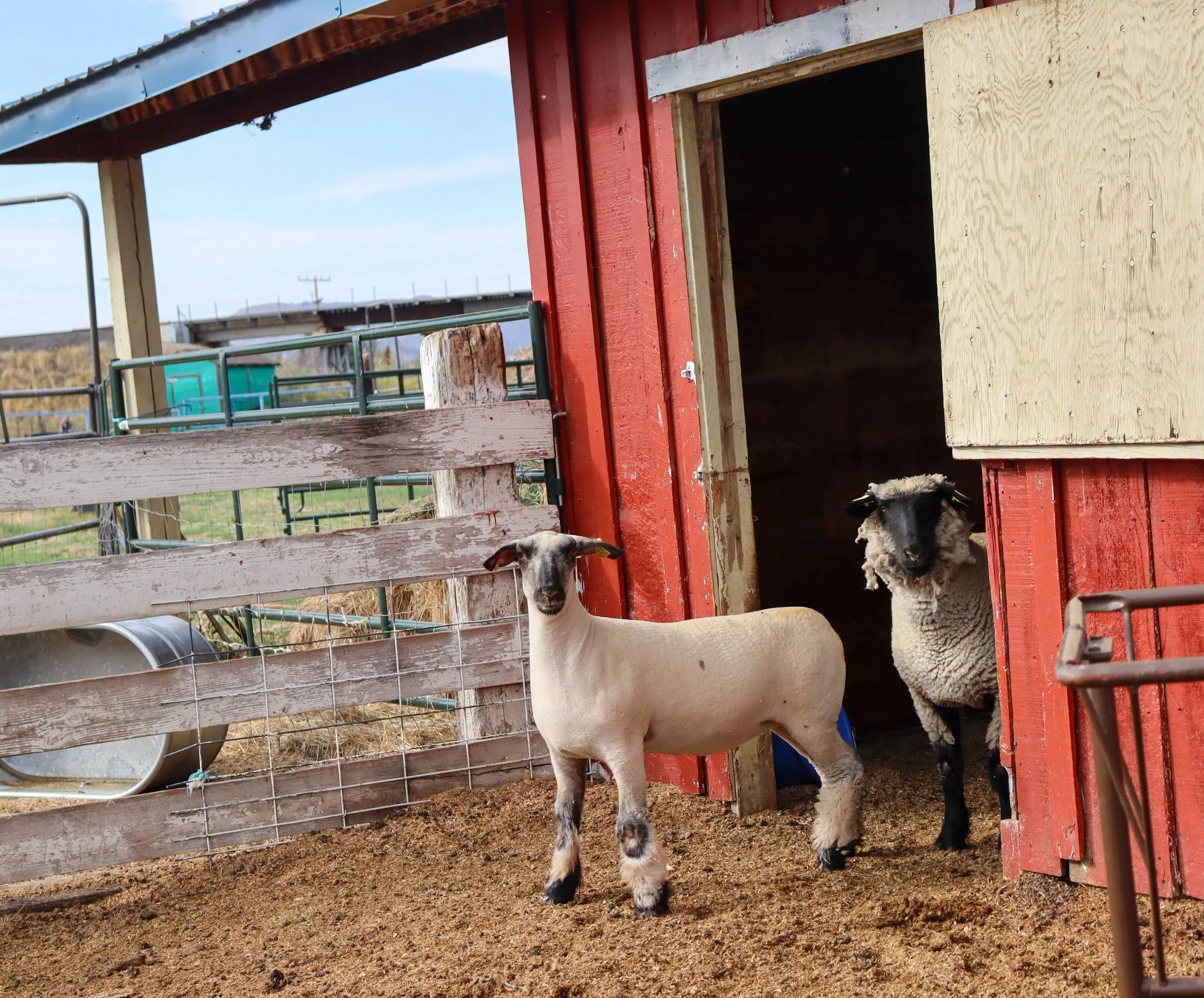
The school currently provides space for students to raise individual sheep projects, allowing students without livestock space at home to participate. Students can keep animals at the school without paying a fee as long as they take responsibility for feeding, cleaning, and daily care.
That sheep program will continue alongside the new cattle operation. Eleven ewes are expected to return to the school bred, with lambing anticipated around Jan. 5.
While Henley expands into cattle production, Lost River is using its $125,000 grant to improve the spaces where students already build, weld, and fabricate.
Its “Going Back to the Basics” project will modernize the school’s metal and wood shops with new workbenches, lockers, tool storage, hand tools, portable power tools, ventilation improvements, and other equipment.
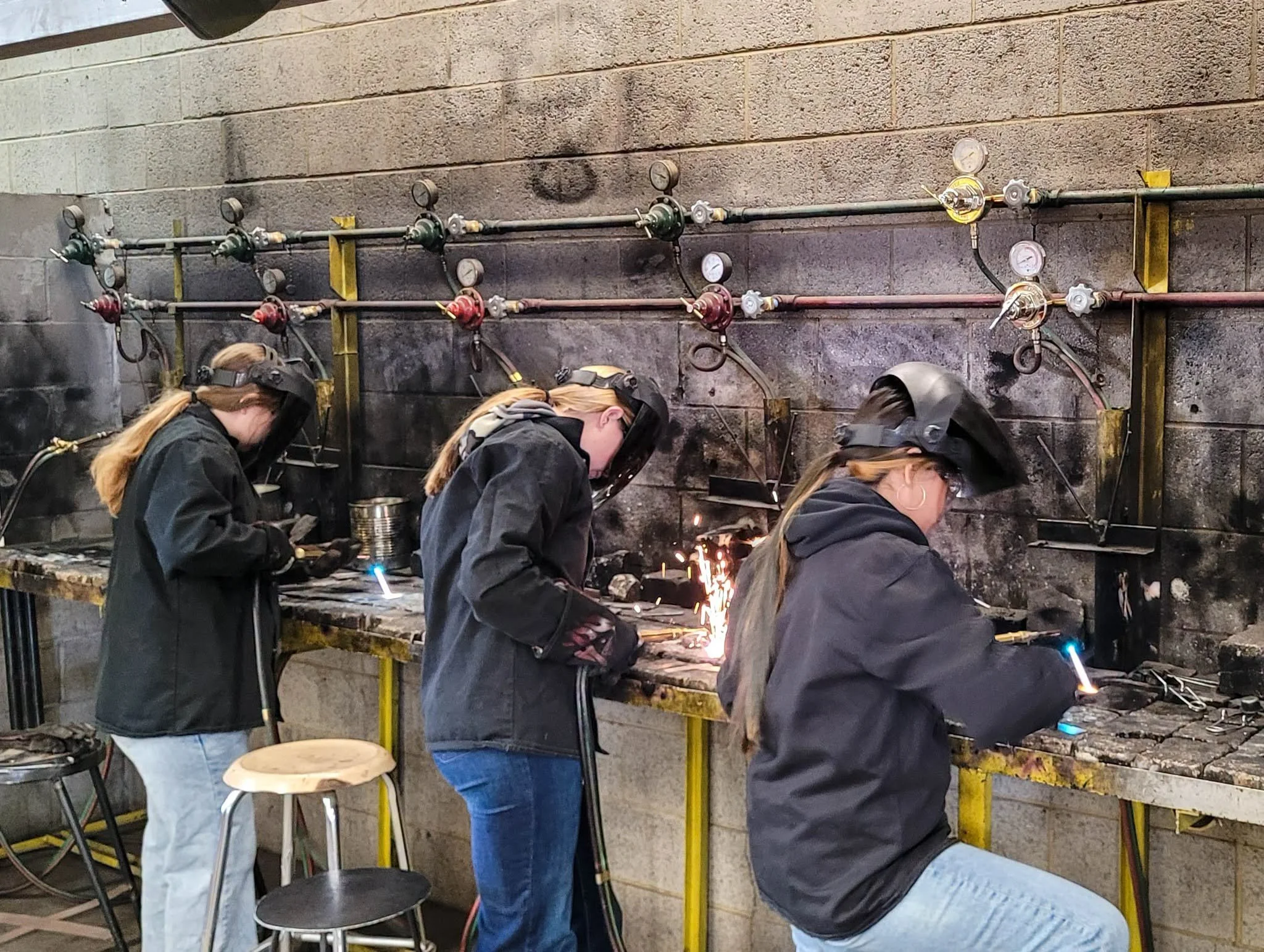
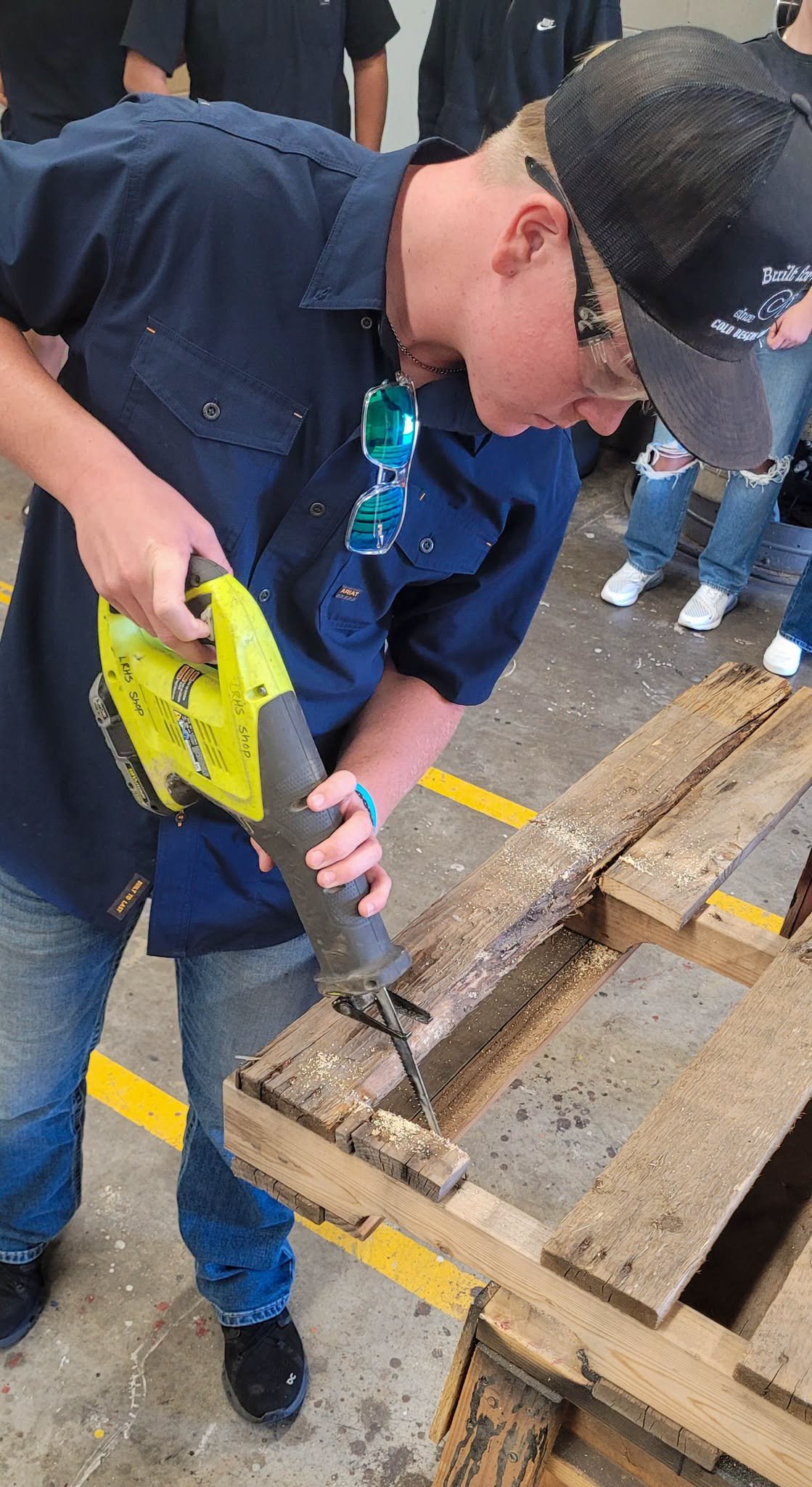
Lost River already operates established sheep and cattle programs, but agriculture science and technology teacher Meghan Miller said the school’s next need is improving the everyday infrastructure students depend on.
“What we really need now is the basics — new workbenches, new lockers, better organization, hand tools, and more simple portable power tools,” Miller said. “We hope to still fit in some more equipment as well, because the more usable equipment we have, the less time students have to wait in line to get projects done.”
The new lockers will provide secure storage for students, while upgraded benches and tool-storage systems are expected to make the shops more organized and functional.

Adding more usable equipment should also allow more students to work simultaneously instead of waiting for tools or machinery to become available.
The long-term goal, Miller said, is to remove the remaining outdated equipment and complete the revitalization of both shop spaces.
CTE Revitalization Grants are competitive grants administered by the Oregon Department of Education to help schools expand career and technical education and create more opportunities for career-connected, hands-on learning.
For Henley students, that will soon mean cattle on the school farm.
For Lost River students, it means better-equipped shops where more of them can build, fabricate, and learn at the same time.

Keep Reading