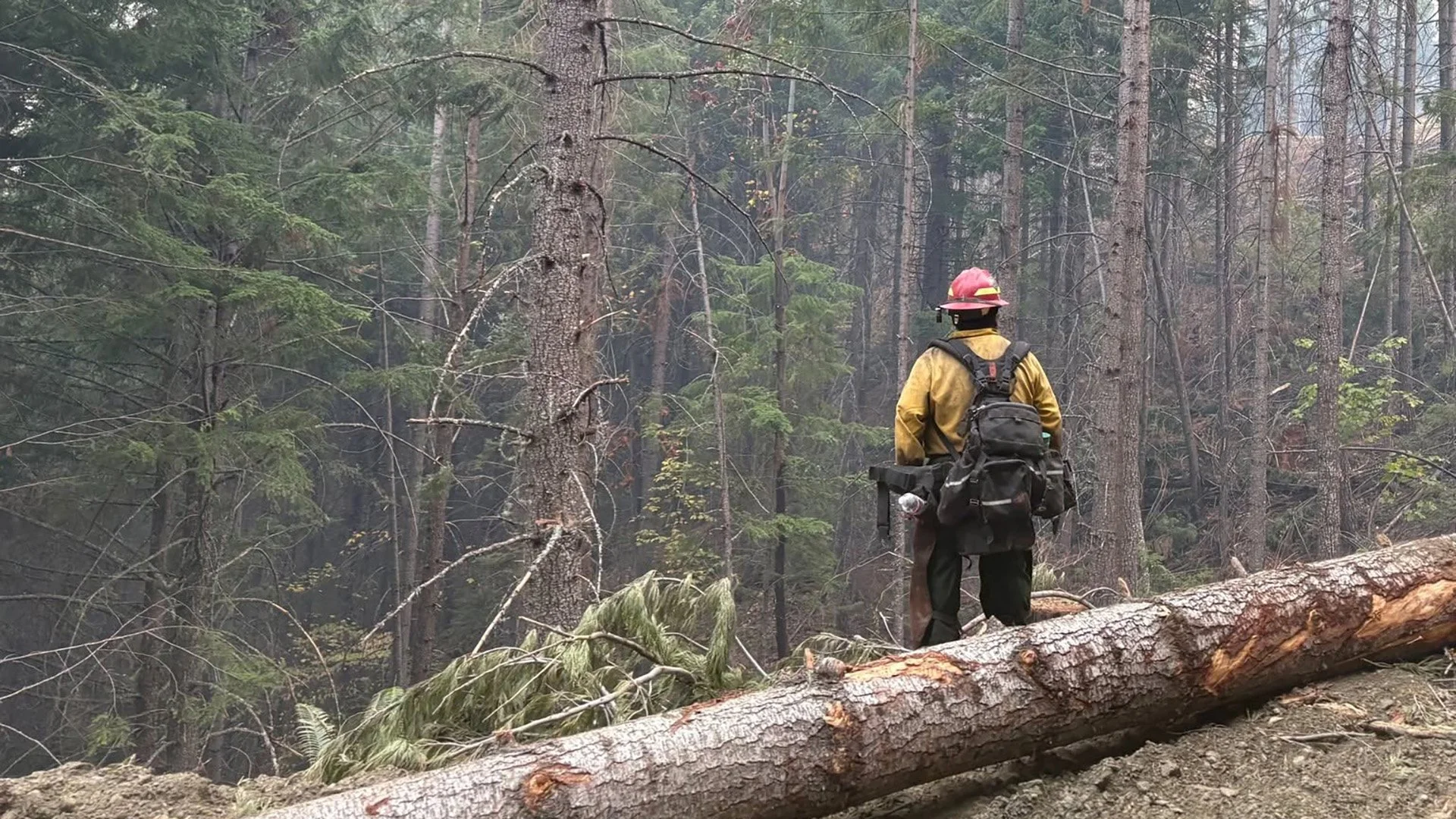
Firefighters responded to 210 fires that burned more than 17,000 acres across southwest Oregon during a season marked by several major incidents
At A Glance
Fire Season:
May 15 through Oct. 28, 2026
Length: 166 days
Fires:
210 fires responded to by ODF in Jackson and Josephine counties
Acres Burned:
Approximately 17,220 acres
Initial Attack Success:
95% of fires held to 10 acres or less
Largest Fire:
East Evans Creek Fire — approximately 15,580 acres
Fire Season Status:
Ended at 12:01 a.m. Oct. 28; public and industrial fire season restrictions lifted
Still Restricted:
Industrial slash burning remains prohibited
JACKSON & JOSEPHINE COUNTIES, Ore. - The 2026 fire season has officially ended across Oregon Department of Forestry-protected lands in Jackson and Josephine counties following widespread rainfall and a shift toward cooler, wetter fall weather.
ODF Southwest Oregon District lifted fire season restrictions and Industrial Fire Precaution Levels at 12:01 a.m. Wednesday, Oct. 28, bringing the season to a close after 166 days.
The declaration affects approximately 1.8 million acres of state, private, county, city and Bureau of Land Management forestlands protected by ODF across the two counties.
Public and industrial fire season restrictions on equipment use and debris burning are no longer in effect, although industrial slash burning remains prohibited.
The end of fire season follows several weeks of cooler temperatures, improving humidity, shorter daylight hours and increasing rainfall across southwest Oregon.
210 fires burn more than 17,000 acres
Fire season officially began May 15.
Between then and the end of the season, ODF firefighters responded to 210 fires across Jackson and Josephine counties that burned approximately 17,220 acres.
Despite stretches of extreme fire danger and several fires that required extended suppression operations, approximately 95% of fires were held to 10 acres or less. ODF's annual goal is 98%.
The season's acreage was dominated by one incident.
The East Evans Creek Fire started July 10 in Jackson County and ultimately burned approximately 15,580 acres, accounting for roughly 90% of all acreage burned on ODF-protected lands in the district during the declared fire season.
Rapid growth, steep terrain and heavy fuels complicated suppression efforts on the East Evans Creek Fire. ODF Complex Incident Management Team 1 and later Florida Complex Incident Management Team 1 were brought in as firefighters spent weeks strengthening containment lines and protecting nearby communities.
East Evans Creek Fire Camp: Fire personnel post operational maps at fire camp during the East Evans Creek Fire, which became the largest incident of the 2026 season in the ODF Southwest Oregon District. Oregon Department of Forestry Southwest Oregon District.
Fire activity began early and continued into October
Wildfire activity was already occurring before fire season officially began.
The Carney Flat Fire burned approximately 23 acres on May 9, six days before seasonal restrictions took effect.
Ten days after fire season began, the Blackwell Road Fire burned approximately 48 acres on May 25. Additional fires followed in June, including the Spencer Gulch Fire on June 14 and West Jones Creek Road Fire on June 15.
On July 19, the Waldo Road and Ridge Vista fires started within minutes of one another near Cave Junction, burning approximately 31 and 16 acres. Both prompted evacuation notices and required firefighters to manage simultaneous incidents while maintaining resources for additional calls.
August brought another series of significant fires.
The Interstate 5 Mile Marker 57 Fire nea
r Grants Pass burned approximately 96 acres on Aug. 1.
Five days later, the Woodrat Mountain Fire began in the Applegate Valley and grew to approximately 288 acres.
Fielder Mountain Fire: A large smoke column rises from the Fielder Mountain Fire as crews and equipment stage during suppression operations near Rogue River in August 2026. Oregon Department of Forestry Southwest Oregon District.
The Fielder Mountain Fire started Aug. 13 near Rogue River, where steep terrain, intense fire activity and proximity to homes and Interstate 5 complicated suppression efforts. The fire ultimately burned approximately 573 acres and prompted the deployment of ODF Incident Management Team 1.
Significant fire activity continued well into fall.
The Anderson Butte Road Fire burned approximately 78 acres in the Upper Applegate after starting Sept. 20.
Then, on Oct. 15, the West Fork Evans Creek Fire started near Sams Valley and grew to approximately 283 acres. Crews faced steep, rocky terrain, heavy fuels and limited water access during an incident that demonstrated how quickly a wildfire could still develop late in the season.
Rain finally closes the season
Conditions gradually improved during October as temperatures cooled and overnight humidity recovery increased.
The absence of persistent dry east winds, shorter days and repeated periods of precipitation steadily reduced fire danger before widespread rainfall provided enough moisture for ODF to end seasonal restrictions.
Throughout the season, ODF credited aggressive initial attack, aviation resources and coordination among local fire districts, law enforcement agencies, emergency managers and state and federal partners with helping limit the growth of most new fires.
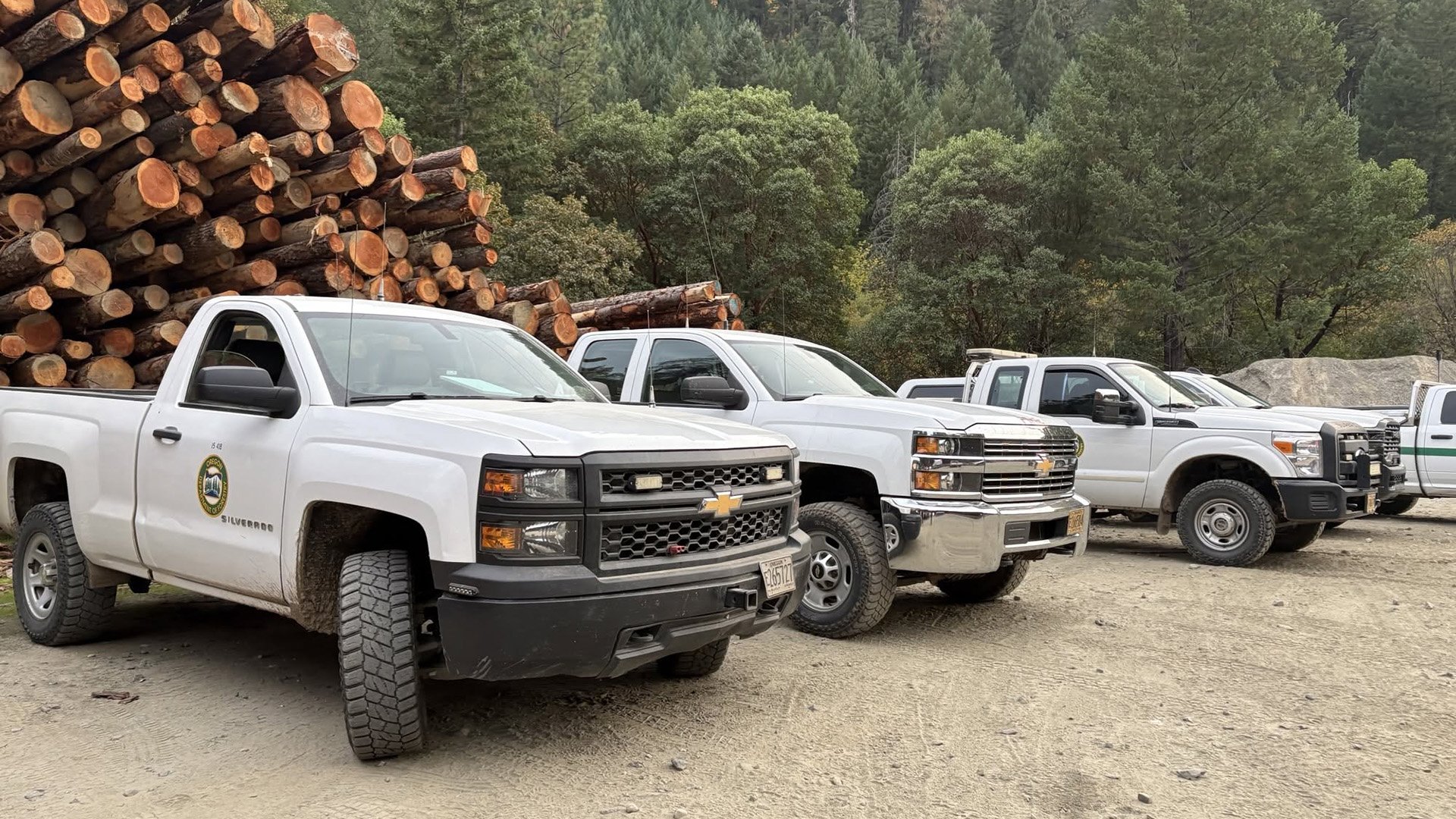
Cover Photo / ODF Resources: Oregon Department of Forestry vehicles staged during wildfire operations in southwest Oregon during the 2026 fire season. Oregon Department of Forestry Southwest Oregon District.
Burning restrictions may still apply
The end of ODF fire season does not automatically mean residents can burn anywhere or at any time.
Many structural fire agencies require permits for residential debris burning, and local restrictions may remain in effect.
Residents should check with their local fire department before burning and confirm that conditions allow burning in their area.
Daily burning information is available through county burn lines:
Jackson County: 541-776-7007
Josephine County: 541-476-9663
Industrial slash burning remains prohibited.
Wildfires are also still possible outside the declared fire season. Dry vegetation, wind and periods without precipitation can allow fires to start and spread during fall and winter.
Residents burning debris should remain with burn piles, keep water and firefighting tools nearby and continue using caution with machinery or other equipment capable of producing sparks.


Keep Reading