Wildfire Damage or Evacuation? 4 Steps That Can Help Oregonians Recover
Saving receipts, checking coverage, documenting belongings, and reviewing auto insurance can make recovery easier.
“We know this is a hard time for many Oregonians as wildfires affect communities across the state. We want people to have these tips so they know what their insurance covers and what steps to take if they are affected by a wildfire.”
SALEM, Ore. — Wildfire evacuations can leave families facing unexpected costs, damaged property, and difficult insurance decisions all at once.
Four steps can help homeowners and renters prepare for evacuation costs, document losses, and navigate coverage questions before and after a wildfire.
“We know this is a hard time for many Oregonians as wildfires affect communities across the state,” Oregon Insurance Commissioner TK Keen said. “We want people to have these tips so they know what their insurance covers and what steps to take if they are affected by a wildfire.”
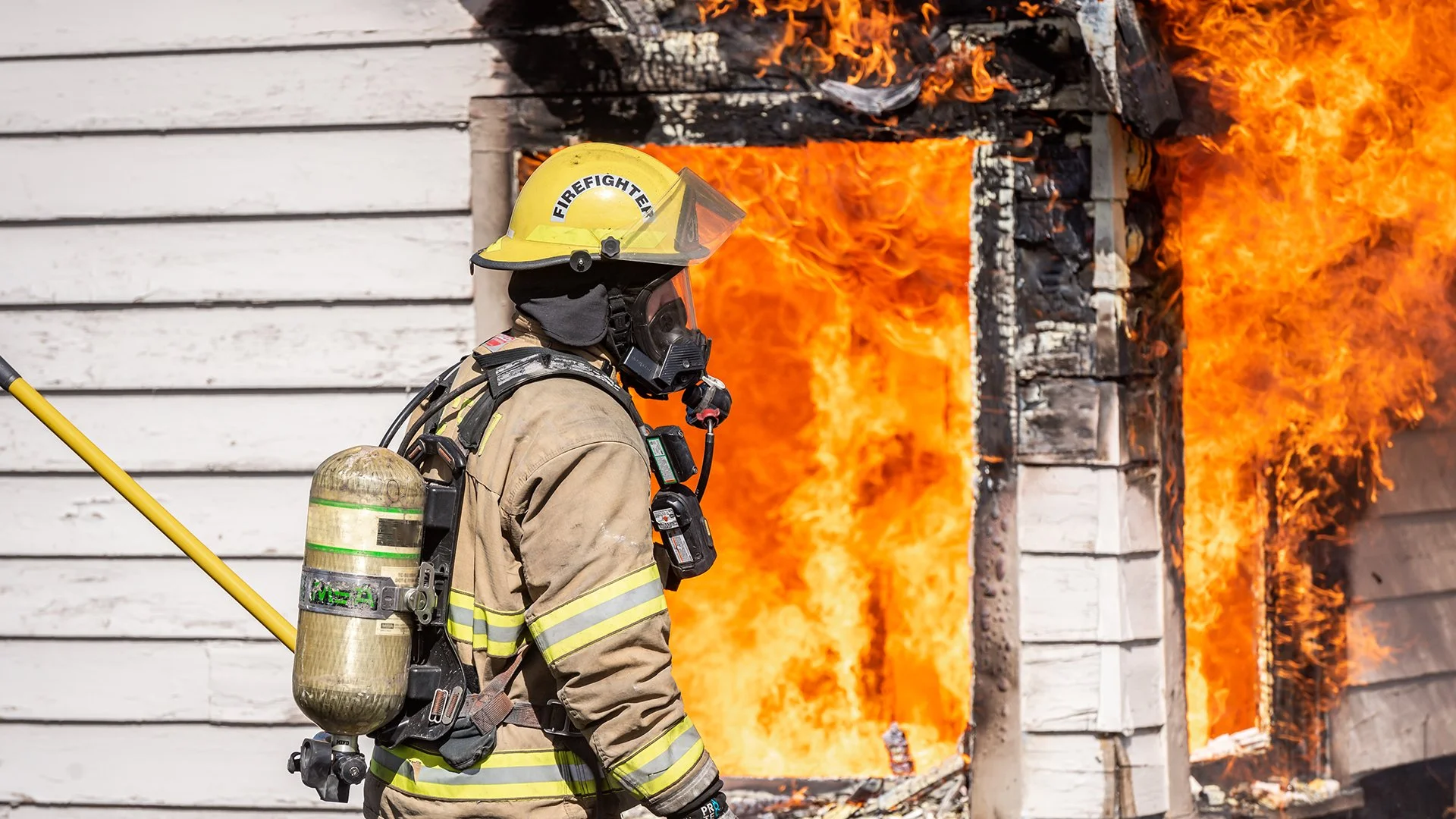
Wildfire Recovery / Cover Image: After fire, smoke, or ash affects a home, saving receipts, checking insurance coverage, documenting belongings, and reviewing auto coverage can help families begin the recovery process. Brian Gailey / Adobe Stock.


Step 1: Save Every Evacuation Receipt
Save Receipts: Keep receipts for lodging, meals, pet boarding, and other added costs tied to a mandatory evacuation. Social Cut / Unsplash.
People ordered to evacuate should save receipts for lodging, meals, pet boarding, and other added expenses.
Homeowners and renters insurance may include additional living expense coverage when a mandatory evacuation forces someone from their home. This coverage can help pay costs beyond the household’s normal spending.
Coverage limits and requirements vary, so residents should contact their insurance company or agent to confirm which expenses qualify and how they should be documented.
Fire, smoke, and ash damage to a home and personal belongings is also typically covered, depending on the policy.
Step 2: Check Before Filing a Claim
Additional living expense coverage is typically subject to the policy deductible.
Before opening a claim, policyholders should ask their insurance company how much coverage is available, what deductible applies, and whether their expected costs make filing worthwhile.
A claim may be considered during future insurance underwriting even when the company does not make a payment. Speaking with an agent or insurer first can help residents understand the possible effects before moving forward.
Insurance companies may also handle temporary housing, meals, pet care, smoke cleanup, and other expenses differently. Residents should ask for clear instructions before making major purchases or commitments.
Step 3: Create a Home Inventory
People who have not evacuated should photograph or record video of each room in their home, but only when it is safe.
Home Inventory: Taking photos or video of each room can help document belongings before a wildfire or other disaster. Jakub Żerdzicki / Unsplash.
The inventory should include walls, closets, drawers, cabinets, attics, garages, and other storage areas. Smaller items such as jewelry, electronics, tools, and collections should not be overlooked.
For valuable belongings, residents should record the approximate age, original cost, and current replacement cost when possible.
Insurance companies commonly request a detailed list of damaged or destroyed property after a loss. Photos and videos can help families remember what they owned and support the claim process.
Copies of the inventory should be stored online or somewhere outside the home.
Step 4: Review Auto Coverage
Vehicle damage from fire, smoke, or ash generally requires comprehensive coverage.
Liability only policies typically do not pay for wildfire damage to the policyholder’s own vehicle. Drivers should review their policy or contact their insurance company to confirm whether comprehensive coverage is active.
Comprehensive coverage may apply no matter where the vehicle is located when the damage occurs. Drivers should review their policy now rather than wait until after a loss.

Across all four steps, documentation is important. Keep receipts, photographs, videos, policy information, and written records of conversations with the insurance company.
Residents who need help understanding their coverage or resolving an insurance concern can contact the Oregon Division of Financial Regulation’s consumer advocates at 888-877-4894 or dfr.insurancehelp@dcbs.oregon.gov.

Keep Reading