Tuna Runs Strong as Inland Lakes Warm
Local fishing, hunting, and wildlife updates.
This Week at a Glance
Best Inland Fishing
Lost Creek, Applegate, and Howard Prairie remain productive.
Coastal Highlight
Albacore fishing is strong out of Gold Beach and Brookings.
Klamath Restrictions
New protections are in place for native redband trout.
Access and Water Quality
Low water and algae are affecting several lakes and boat ramps.
Wildlife Viewing
Summer Lake and the Klamath Basin remain strong destinations.
MEDFORD, Ore. — Late summer is settling across Southern Oregon, and this week’s best outdoor opportunities depend heavily on where you go and how early you get there.
Reservoir fishing remains productive in Jackson and Josephine counties, while anglers in Klamath and Lake counties are navigating low water, warm conditions, and new protections for native redband trout. Along the Curry County coast, albacore tuna are providing some of the strongest fishing of the season.
The Oregon Department of Fish and Wildlife’s August 6 Recreation Report also points to changing boat access, harmful algae concerns, and several worthwhile wildlife viewing destinations. Here is what matters this week across Klamath, Lake, Jackson, Josephine, and Curry counties.


Jackson & Josephine Counties
Lost Creek Lake and Applegate Reservoir remain two of the strongest local choices for anglers. ODFW reports that trolling continues to be very good at both reservoirs.
At Lost Creek Lake, trolling wedding rings tipped with a worm remains a proven approach. Bank anglers can also find good access near the dam, where PowerBait can be effective. The lake’s surface temperature was reported at 77 degrees.
Applegate Reservoir was also at 77 degrees. Trout remain available for bank anglers and boaters, while bass fishing is improving around vegetation and shoreline structure. A long standing health advisory remains in place for eating resident fish from Applegate because of elevated mercury levels.
Howard Prairie Reservoir is 59 percent full and continues to hold plenty of legal size rainbow trout. ODFW reports that some anglers are catching daily trout limits along with largemouth bass. Holdover trout from last year have had another season to grow and may provide some larger fish.
Hyatt Lake is 40 percent full and also has plenty of legal size trout. Bank fishing near the dam remains an option, but boat access is becoming more difficult. The Cascade ramp is closed, while low water and vegetation may make launching from the Mountain View ramp challenging. Reports of blue green algae are also increasing, so visitors should check for current health advisories before entering the water.
Fish Lake is down to 12 percent full. The Forest Service boat ramp is closed because of low water, although launching remains available through Fish Lake Resort for a fee.
The Rogue River above Lost Creek Reservoir is scheduled to receive trout each week through early September. ODFW anticipated stocking about 2,500 legal size trout this week. Fly fishing should improve as more insects begin hatching.
On the upper Rogue, anglers continue to find some spring Chinook and summer steelhead. The middle Rogue is low, and anglers releasing fish should keep them in the water and return them quickly.
Lake Selmac remains one of the better warm water choices in Josephine County. The lake supports a strong largemouth bass fishery, along with bluegill and crappie. The Illinois River is open for hatchery rainbow trout, but wild rainbow and cutthroat trout must be released.
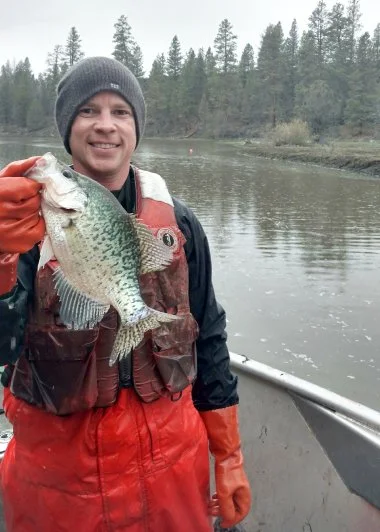
Gerber Crappie: An angler holds a black crappie caught at Gerber Reservoir in Klamath County. Photo by Tinniswood via ODFW.
Klamath & Lake Counties
Native redband trout protections are the most important change for Klamath Basin anglers.
Catch and release fishing with no bait is required through October 31 for redband trout in Upper Klamath Lake, Agency Lake, Pelican Bay, and several connected tributaries and waterways. The restrictions were adopted after record low spawning numbers.
ODFW encourages anglers to use single barbless hooks, rubber nets, and handling practices that allow fish to remain in the water. Tagged redband trout must be released unharmed.
Fishing on the main body of Upper Klamath Lake is very slow. Most redband trout have moved into areas with better water quality. The lake is 57 percent full and about 2.7 feet below full pool.
Agency Lake is under a harmful cyanobacteria advisory. The Petric Park and Henzel Park boat ramps are open, although heavy vegetation in the Petric canal may make travel difficult. Yellow perch may be found near the mouth of Sevenmile Canal.
The Wood River below Weed Road is fishing well for brown trout. This section is best reached by boat, although some bank access is available through the Wood River Wetland. Anglers may keep two brown trout, while redband trout must be released.
Lake of the Woods was stocked with legal and trophy rainbow trout earlier this summer. Remaining trout are likely holding in deeper, cooler water. Yellow perch fishing should also remain productive.
Gerber Reservoir is 47 percent full. Crappie fishing has slowed as fish have moved into deeper water, but yellow perch and brown bullhead remain available. The reservoir has two developed ramps with docks, campgrounds, and a fish cleaning station.
Dog Lake is producing yellow perch between about 8 and 12 inches. Fishing from a boat is generally the better option because shoreline vegetation limits bank access. Early morning and evening should provide the best conditions.
Deadhorse Lake and Campbell Lake are producing good size holdover rainbow trout. Deadhorse was stocked with 3,600 legal size trout in July, adding to fish that survived from last season.
Holbrook Reservoir and Lofton Reservoir were stocked again during the final week of July with legal and trophy size rainbow trout. Vegetation is heavy at Holbrook, but anglers may still find fish in open pockets.
Ana Reservoir was stocked in July and has returned to full pool. Boats can be launched, and anglers may find larger holdover trout by fishing near the dam or trolling deeper water. A wildlife area parking permit is required on ODFW property along the south side of the reservoir.
ODFW plans additional trout stocking between August 17 and September 18 at Ana Reservoir, Campbell Lake, Deadhorse Lake, Fourmile Lake, Lake of the Woods, and Miller Lake. Stocking schedules may change because of low water, high temperatures, or access problems.
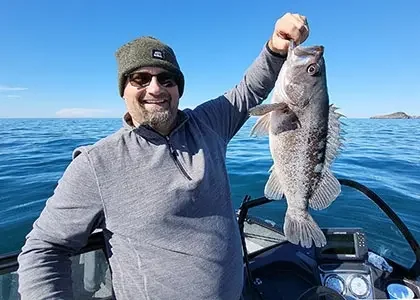
Brookings Rockfish: An angler holds a personal best 24 inch black rockfish caught near Brookings Harbor. Photo by Stephan Seable via ODFW.
the South Coast
Albacore tuna are providing the strongest offshore opportunity this week.
ODFW’s latest port sampling found recreational anglers locating albacore about 20 to 30 miles offshore. Gold Beach anglers averaged 7.3 albacore per person, while Brookings anglers averaged 6.9. These were among the strongest catch rates reported along the Oregon coast.
Brookings bottomfish anglers averaged just under 2.5 rockfish per person. Black, deacon, canary, and blue rockfish made up much of the catch, while lingcod fishing remained slow.
Ocean salmon catch rates were more modest at Brookings, averaging 0.39 salmon per angler. Ocean anglers are limited to one rod and may use no more than two single point, single shank, barbless hooks. Jack salmon may not be retained in the ocean.
Closer to shore, cutthroat trout are available in the Chetco River estuary, although bank access is limited. Anglers should watch for young salmon and steelhead and consider changing locations or switching to barbless hooks when smolts are being caught.
The Winchuck and Sixes river estuaries can also provide cutthroat fishing when winds are light. The Winchuck is limited to bank and wade fishing, with no angling allowed from a floating device.
A few fall Chinook have entered the lower Rogue River. Half pounder steelhead and some adult steelhead are also being caught. Warm water, low flows, wind, and daytime boat traffic make mornings and evenings the better times to fish.
Razor clam harvesting remains closed from Cape Blanco south to the California border. Bay clams, mussels, and crabs are listed as open coastwide, but shellfish conditions can change quickly. Harvesters should check the Oregon Department of Agriculture shellfish safety information before leaving home.
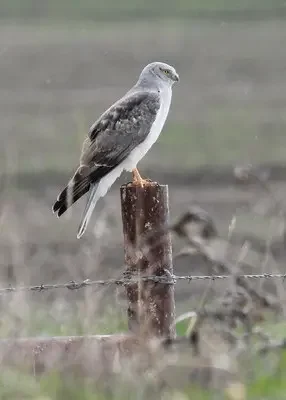
Northern Harrier: A male northern harrier surveys open country from a fence post. Photo by Maxine Wyatt via ODFW.
Wildlife Viewing
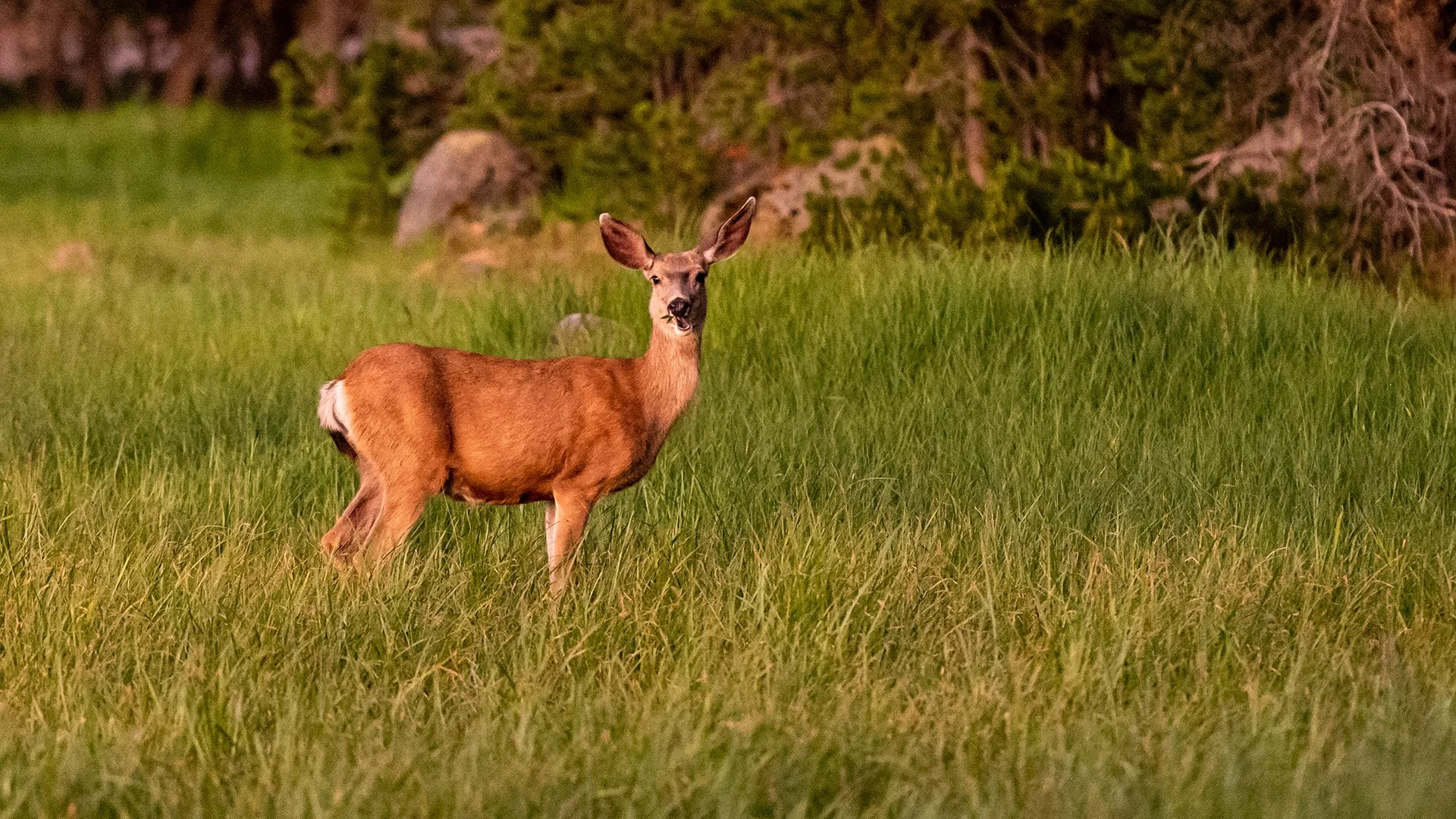
The Link River Trail, Lake Ewauna, and Wood River Wetland provide some of the best wildlife viewing near Klamath Falls. Visitors may see deer, river otters, muskrats, mink, waterfowl, and shorebirds.
Summer Lake Wildlife Area remains one of Lake County’s strongest destinations for waterfowl viewing. Visitors may also spot pronghorn across Lake County and bighorn sheep along canyon rims. Abert Rim, Highway 395, Hadley Butte, and areas near Paisley offer viewing opportunities from a safe distance with binoculars or a spotting scope.
In Jackson and Josephine counties, birders can explore Denman Wildlife Area near Central Point or Reinhart Park in Grants Pass. Wildlife area parking permits are required at Denman.
Along the Curry County coast, black oystercatchers may be seen and heard around offshore rocks near Gold Beach. Seabirds are also nesting on islands and rock formations along the coast, but viewers should remain far enough away to avoid disturbing nesting birds.

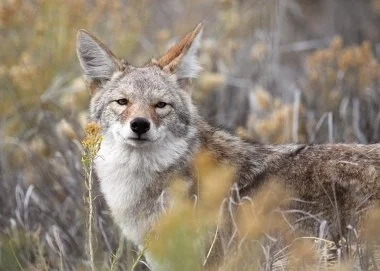
Coyote: A coyote pauses among the brush in Oregon’s high desert. Photo by Ganskopp via ODFW.
Preparing for Fall Hunts
Fall hunting season is approaching across Southern Oregon, and August is a good time to finish preparations. Archery and youth controlled hunts begin opening this month, and hunters should review season dates, unit boundaries, and any remaining tag opportunities.
Fire conditions may affect access this year. ODFW recommends checking current closures and restrictions before heading out, while scouting trips can help hunters confirm road access, locate water, and assess changing habitat conditions.
Bear, cougar, and coyote seasons are already open in parts of the region. Hunters should review current regulations and harvest information before heading into the field.
Anyone still needing hunter education should register soon, as fall seasons are getting underway.
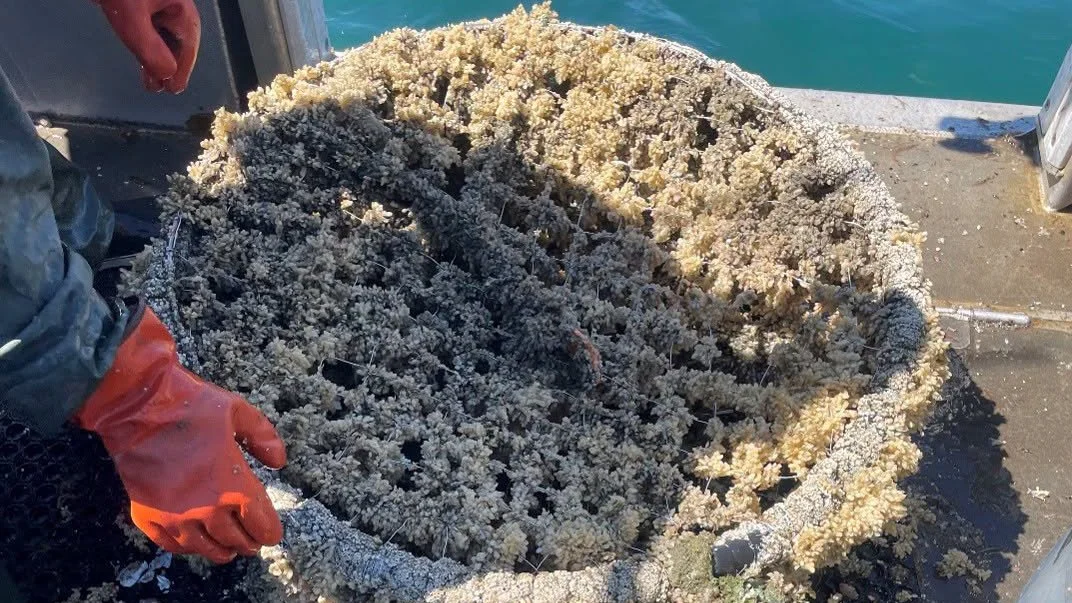
Cover Photo: An angler holds an albacore tuna after returning to port along the Oregon coast. Oregon Sea Grant via Flickr.
Jefferson Outdoors Weekly is compiled from Oregon Department of Fish and Wildlife reports and localized for Jackson, Josephine, Klamath, Lake, and Curry counties. Regulations and conditions can change. Check current ODFW regulations before heading out.


Keep Reading