Flock Cameras Go Dark in Josephine County
Sheriff Dave Daniel says all 10 license plate readers are deactivated after public concerns over privacy and Fourth Amendment rights
AT A GLANCE
Contract Ended:
Josephine County has terminated its contract with Flock Safety.
Cameras:
All 10 license plate readers are deactivated, though some equipment remains in place.
Sheriff’s Reason:
Sheriff Dave Daniel cited public concerns over privacy, Fourth Amendment rights, and recent vandalism.
Law Enforcement Use:
Daniel said the technology had been useful in solving crimes and improving public safety.
Regional Trend:
Josephine County joins Siskiyou County in backing away from Flock camera technology over privacy concerns.
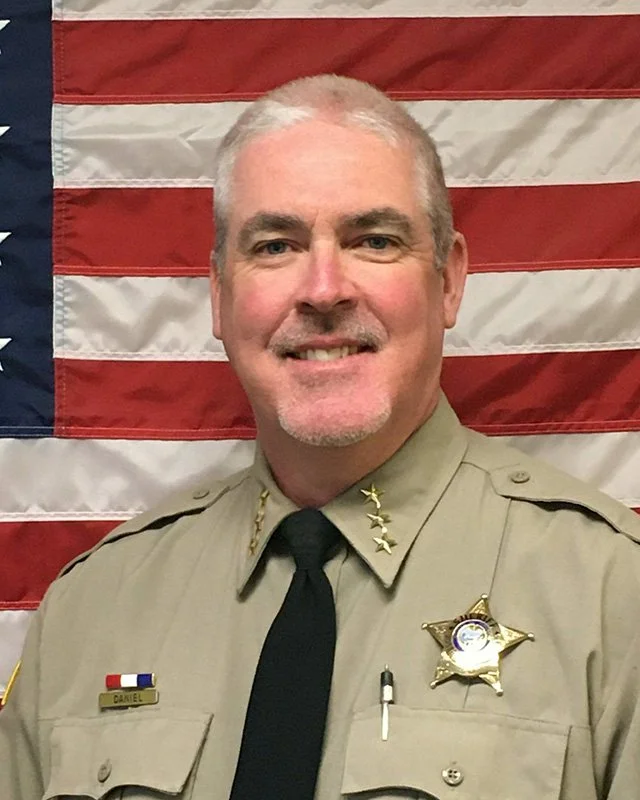
Sheriff Dave Daniel: Josephine County Sheriff Dave Daniel announced the county is ending its contract with Flock Safety and deactivating all 10 automated license plate reader cameras. Josephine County Sheriff’s Office.
GRANTS PASS, Ore. — The Josephine County Sheriff’s Office has ended its contract with Flock Safety and deactivated all 10 automated license plate reader cameras operating in rural sections of the county, citing public concerns over privacy, potential Fourth Amendment implications, and recent vandalism targeting the equipment.
Sheriff Dave Daniel announced the decision Wednesday, saying the cameras had provided benefits to law enforcement but that public acceptance of the technology had become an overriding concern.
The Sheriff’s Office entered into the contract for 10 Flock automated license plate readers, commonly known as ALPRs, to help identify stolen vehicles, locate wanted or missing people associated with specific vehicles, and assist criminal investigations.
Daniel said some of the equipment and technology has been targeted and vandalized in recent months. At the same time, residents have raised concerns about the technology and its potential impact on Fourth Amendment protections against unreasonable searches and seizures.


“There has been a great deal of public concern over this technology and its potential infringement of Constitutional 4th Amendment rights,” Daniel said.
The Sheriff’s Office did not say its use of the cameras had been found to violate the Fourth Amendment. Instead, Daniel pointed to public concern about the technology’s potential impact on those rights and similar debates occurring elsewhere in the country.
“Many jurisdictions across the United States have run into the same situation of theft, damage and social concern resulting in numerous cancellations of contracts with FLOCK,” Daniel said. “Josephine County is no different.”
Daniel also made clear that the decision was not based on the technology being ineffective.
“While the technology has been beneficial in solving crime and overall public safety, it is clear much of Josephine County is not ready or willing to accept the use of ALPR technology,” Daniel said.
He said the response from residents ultimately influenced his decision to end the program.
“We at the Sheriff’s Office work for the public and we are listening to you,” Daniel said.
Daniel has directed Josephine County Legal Counsel to send Flock a “contract termination for convenience” letter.
Effective immediately, the cameras are no longer active or being used by the Sheriff’s Office.
Some Flock equipment remains installed in the field, but Daniel said it is inactive. The Sheriff’s Office does not yet know when Flock will remove the equipment.
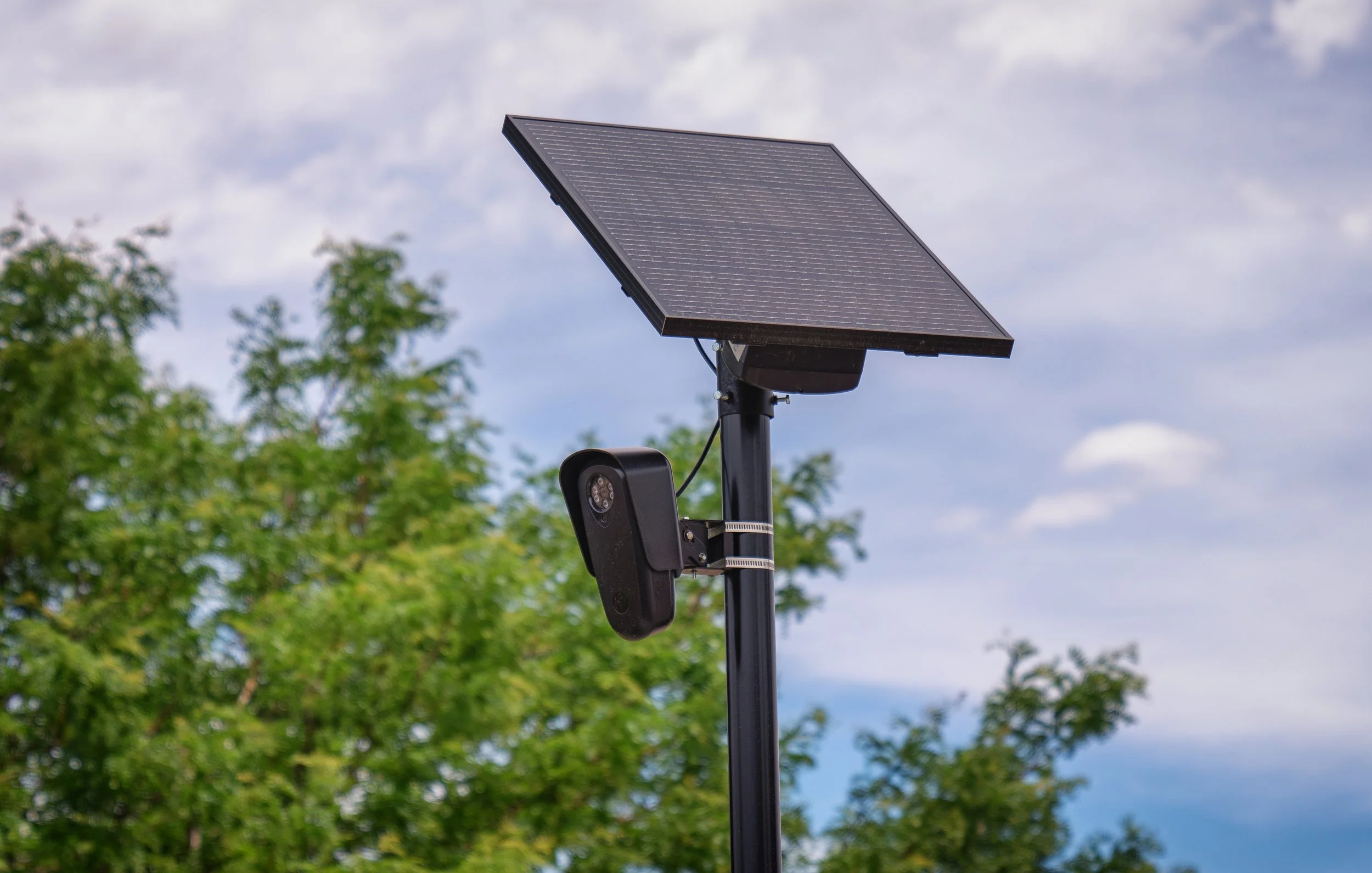
Flock Camera / Cover Image: A solar powered Flock Safety automated license plate reader camera, similar to those deactivated by the Josephine County Sheriff’s Office. Wikimedia Commons.
Second regional sheriff to back away from Flock
Josephine County’s decision comes less than two weeks after the Siskiyou County Sheriff’s Office announced it would not move forward with its own planned Flock Safety camera program because of privacy concerns.
Jefferson Daily News reported July 30 that Siskiyou County Sheriff Jeremiah LaRue decided against implementing the system after his office identified concerns while reviewing how the technology would be used. No Sheriff’s Office Flock cameras had been installed in Siskiyou County when that decision was made.
Siskiyou County had previously approved a two year agreement with Flock Safety that would have allowed the Sheriff’s Office to establish a license plate reader network and access the broader Flock system. The contract had an authorized ceiling of $86,860 after additional implementation costs were approved.
The two counties reached similar decisions at different stages.
Siskiyou County stopped its program before cameras were installed. Josephine County had already deployed and used 10 cameras before deciding to terminate its contract.
In both counties, privacy concerns became a central part of the decision to step away from the technology.

Public safety benefits weighed against privacy
Flock cameras photograph passing vehicles and collect vehicle information that can be searched by participating law enforcement agencies. Police and sheriff’s offices use the technology to look for stolen vehicles and vehicles associated with crimes, wanted suspects, or missing people.
Those same capabilities have fueled debate over how vehicle information is collected, retained, and shared between jurisdictions.
Daniel’s decision puts Josephine County on the privacy side of that debate despite his acknowledgment that the technology had provided law enforcement benefits.
For now, the county’s Flock cameras remain physically in place but inactive.
“Effective immediately, FLOCK ALPRs are no longer activated in rural Josephine County and the contract with the Sheriff’s Office has ended,” Daniel said.
The Sheriff’s Office said it does not yet know when Flock will remove the remaining equipment.

Keep Reading